


TPEE vs TPE: Which Material Is Better?
11 March 2026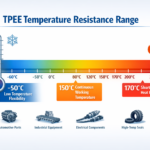
TPEE Temperature Resistance Explained: Why TPEE Material Performs in Extreme Conditions
15 March 2026The automotive industry constantly seeks materials that combine durability, flexibility, chemical resistance, and lightweight performance. Among modern engineering elastomers, Thermoplastic Polyester Elastomer (TPEE) has become an increasingly important solution.
As a high-performance thermoplastic elastomer, TPEE is widely used in automotive components that demand long service life and extreme mechanical performance.
For manufacturers, sourcing materials from a reliable TPEE manufacturer is essential to ensure product consistency and performance. Companies such as Hetroflex TPEE provide advanced materials designed specifically for demanding automotive applications.
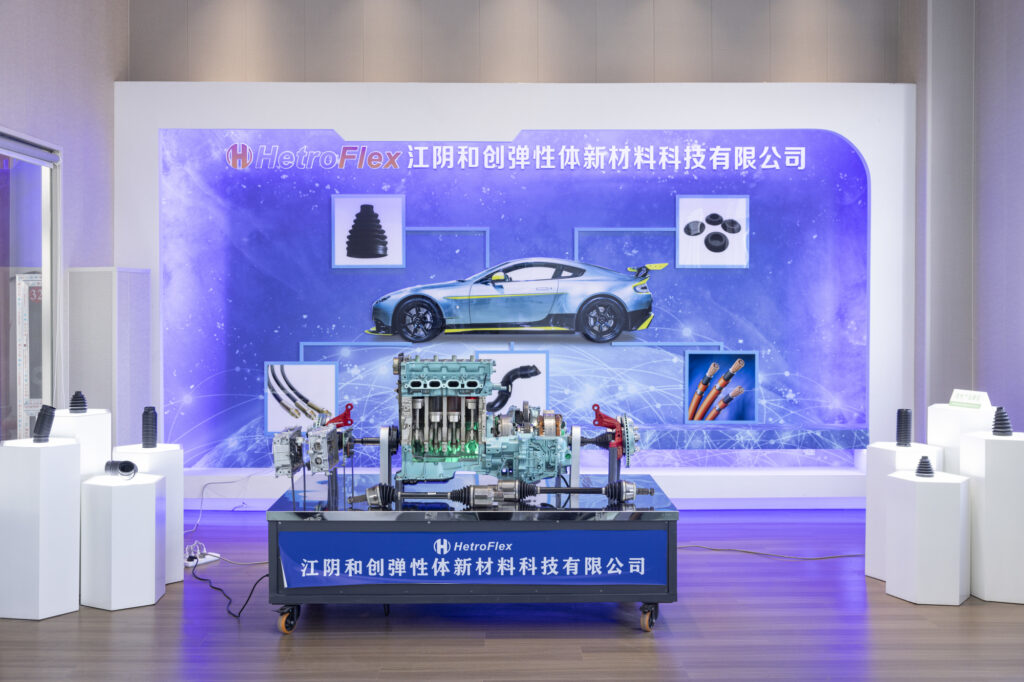
This article explores the major TPEE automotive applications, key advantages of the material, and why automotive engineers and procurement professionals increasingly choose TPEE for critical components.
What Is TPEE Material?
TPEE (Thermoplastic Polyester Elastomer) is a block copolymer combining the elasticity of rubber with the processability of thermoplastics.
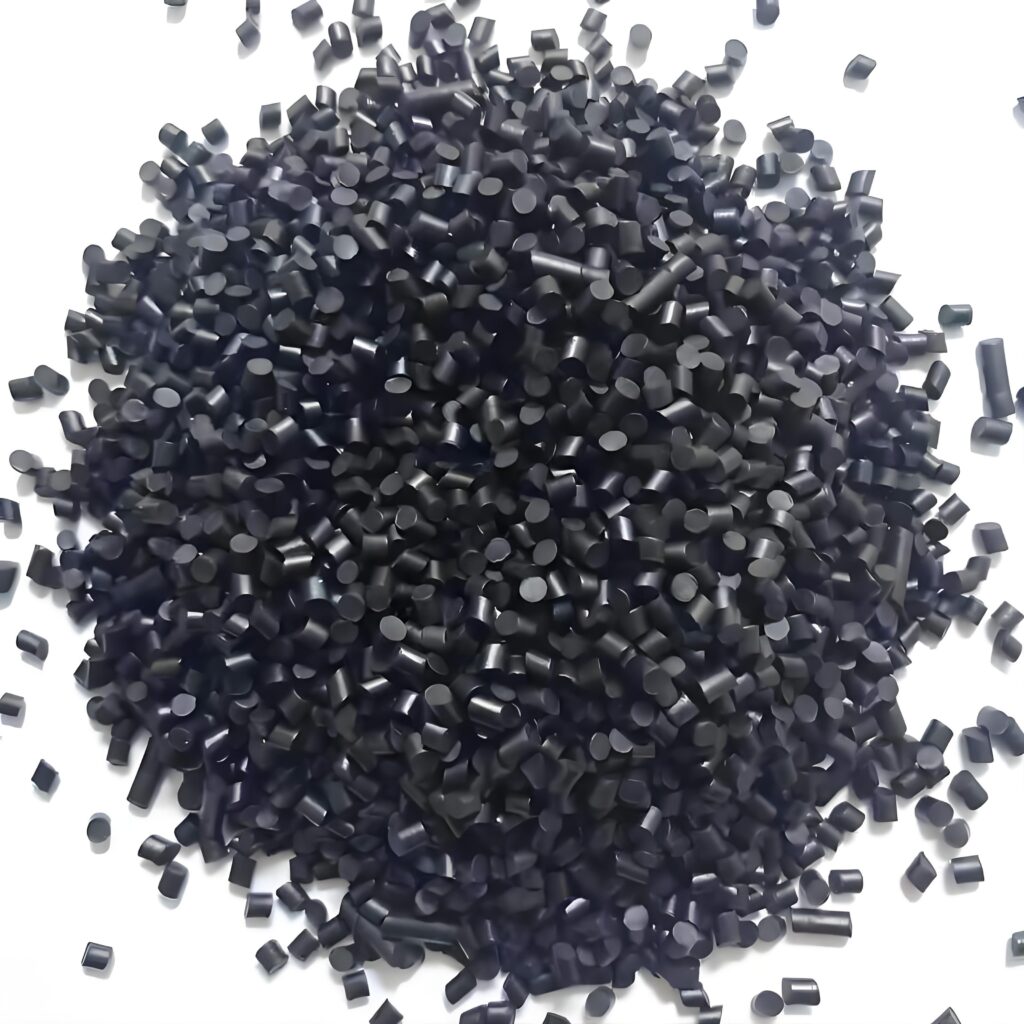
The material consists of:
- Hard segments – providing mechanical strength and thermal resistance
- Soft segments – delivering flexibility and elasticity
This unique molecular structure allows TPEE to perform well in high-stress automotive environments where traditional elastomers or plastics may fail.
Key performance characteristics include:
- Excellent fatigue resistance
- High temperature resistance
- Outstanding resilience and elasticity
- Chemical and oil resistance
- Good processability for injection molding and extrusion
Because of these properties, many engineers turn to a reliable TPEE manufacturer like Hetroflex TPEE when designing next-generation automotive components.
Why TPEE Is Ideal for Automotive Applications
Compared with conventional rubber, TPU, or PVC, TPEE offers several advantages that are particularly valuable for automotive manufacturers.
1. Superior Mechanical Strength
Automotive components are exposed to constant vibration, stress, and movement. TPEE offers exceptional mechanical strength while maintaining flexibility, making it suitable for dynamic applications.
2. Excellent Fatigue Resistance
TPEE performs extremely well under repeated flexing and cyclic stress. This makes it ideal for parts such as CVJ boots and air ducts, which continuously experience movement during vehicle operation.
3. High Temperature Resistance
Many automotive components operate in environments exceeding 120°C. TPEE maintains structural stability and elasticity under high temperatures, outperforming many conventional elastomers.
4. Chemical and Oil Resistance
Automotive environments often involve exposure to:
- lubricants
- fuels
- hydraulic fluids
- road chemicals
TPEE offers strong resistance to these substances, extending component life.
5. Lightweight Performance
Reducing vehicle weight is critical for improving fuel efficiency and electric vehicle range. TPEE provides high performance while remaining lightweight compared with metal or traditional rubber components.
Major TPEE Automotive Applications
Today, TPEE is used across numerous automotive systems. Below are some of the most common and high-value applications.
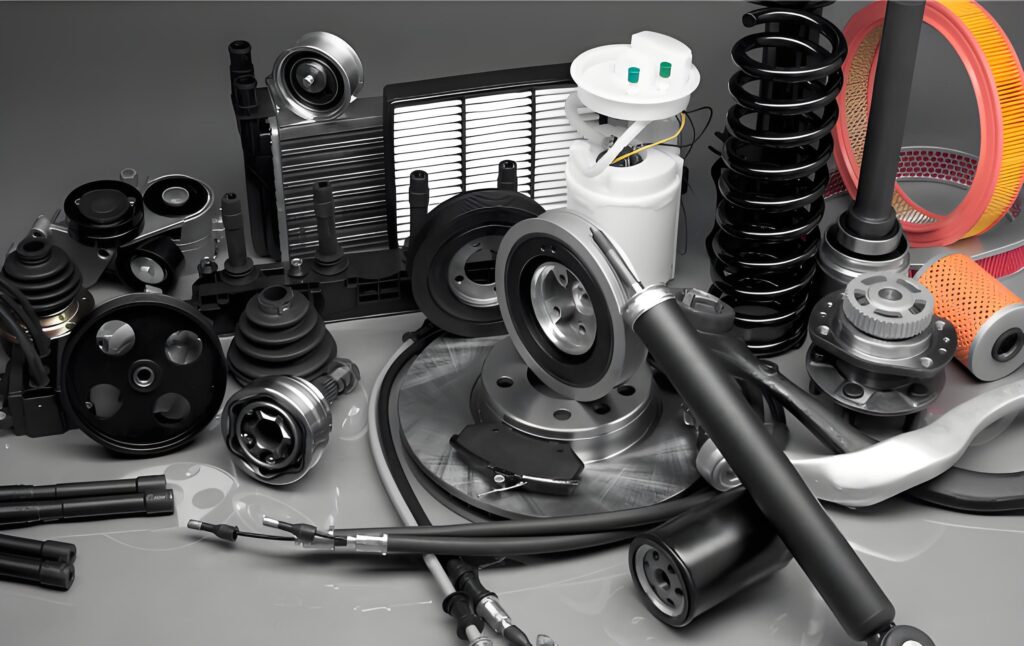
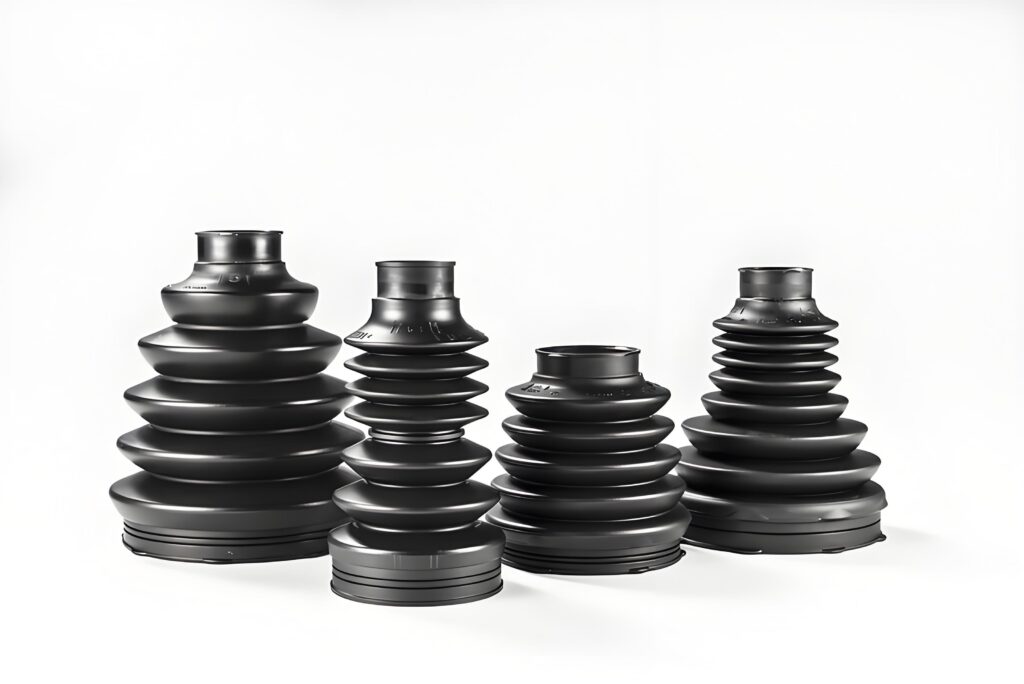
1. CVJ Boots (Constant Velocity Joint Boots)
One of the most well-known TPEE automotive applications is CVJ boots.
These components must withstand:
- continuous flexing
- exposure to grease and oil
- extreme temperature changes
- road debris and environmental stress
TPEE offers excellent fatigue resistance and oil resistance, making it an ideal material for durable CVJ boots.
Many global OEM suppliers rely on materials supplied by experienced TPEE manufacturers like Hetroflex TPEE for this critical application.
2. Automotive Air Ducts
Air management systems in modern vehicles require materials that combine flexibility and heat resistance.
TPEE is widely used in:
- turbo air ducts
- air intake hoses
- charge air pipes
These parts must tolerate high temperatures and pressure fluctuations while maintaining dimensional stability.
3. Cable Sheathing and Wire Protection
Automotive wiring systems require protective materials that resist abrasion, chemicals, and heat.
TPEE provides:
- excellent insulation properties
- strong abrasion resistance
- flexibility in tight installation spaces
This makes it a popular material for automotive cable sheathing and protective tubing.
4. Seals and Gaskets
TPEE is also used for automotive sealing components, including:
- dust seals
- vibration dampers
- flexible connectors
Its combination of elasticity and durability ensures long-term sealing performance.
5. EV Battery System Components
With the rise of electric vehicles, TPEE is increasingly used in EV battery and cable management systems.
Typical applications include:
- battery cable protection
- cooling system hoses
- flexible connectors
The material’s heat resistance and durability make it suitable for the demanding environment of EV power systems.
Why Work with a Professional TPEE Manufacturer
Choosing the right material supplier is critical for automotive manufacturers.
A reliable TPEE manufacturer offers more than just raw material — they provide:
- stable product quality
- customized material grades
- technical application support
- consistent global supply capability
Hetroflex TPEE specializes in high-performance thermoplastic elastomers designed for industrial and automotive use. With advanced manufacturing technology and strict quality control, Hetroflex provides materials trusted by global customers.
Benefits of working with Hetroflex TPEE manufacturer include:
- customized material formulations
- stable batch consistency
- global supply capability
- technical support for application development
Future Trends of TPEE in the Automotive Industry
As the automotive industry continues to evolve, the demand for high-performance and lightweight materials will continue to grow.
Key trends driving TPEE adoption include:
- electric vehicle growth
- lightweight vehicle design
- longer component lifecycles
- improved sustainability and recyclability
These trends will further expand TPEE automotive applications in the coming years.
Conclusion
TPEE has become a key engineering material for modern automotive design thanks to its unique balance of elasticity, strength, heat resistance, and chemical stability.
From CVJ boots and air ducts to cable protection and EV components, TPEE continues to replace traditional elastomers in demanding automotive environments.
For manufacturers seeking reliable material solutions, partnering with a trusted TPEE manufacturer like Hetroflex TPEE ensures consistent quality, technical expertise, and global supply capability.
As automotive technology continues to advance, TPEE will remain a critical material enabling innovation and performance across the industry.
