
HetroFlex blogs
20 August 2026
Published by admin on 20 August 2026
Categories
Uncategorized
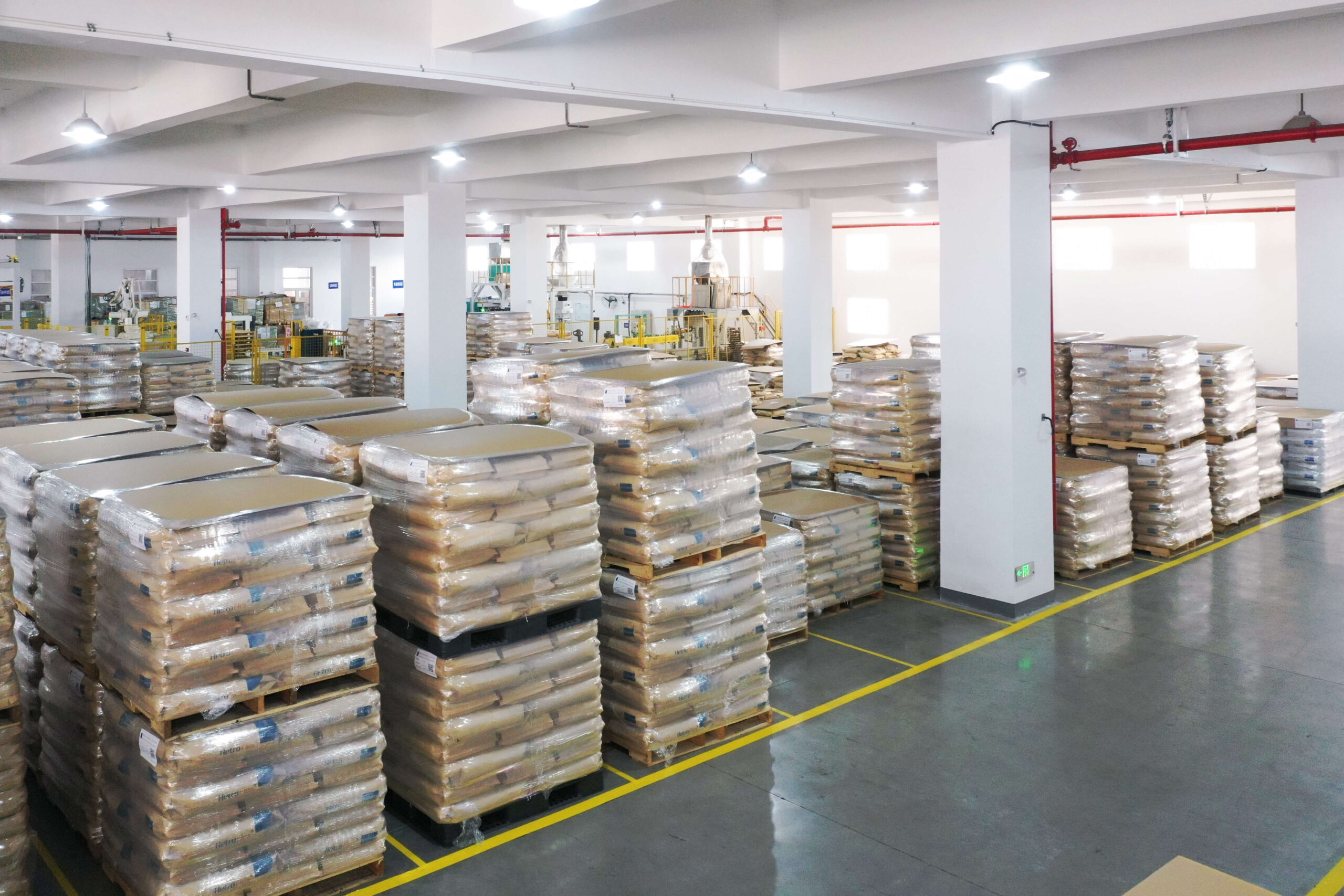
As manufacturers increasingly demand materials that combine flexibility, durability, strength, and processing efficiency, Thermoplastic Polyester Elastomer (TPEE) has become an important engineering material for demanding applications. […]
17 August 2026
Published by admin on 17 August 2026
Categories
Uncategorized
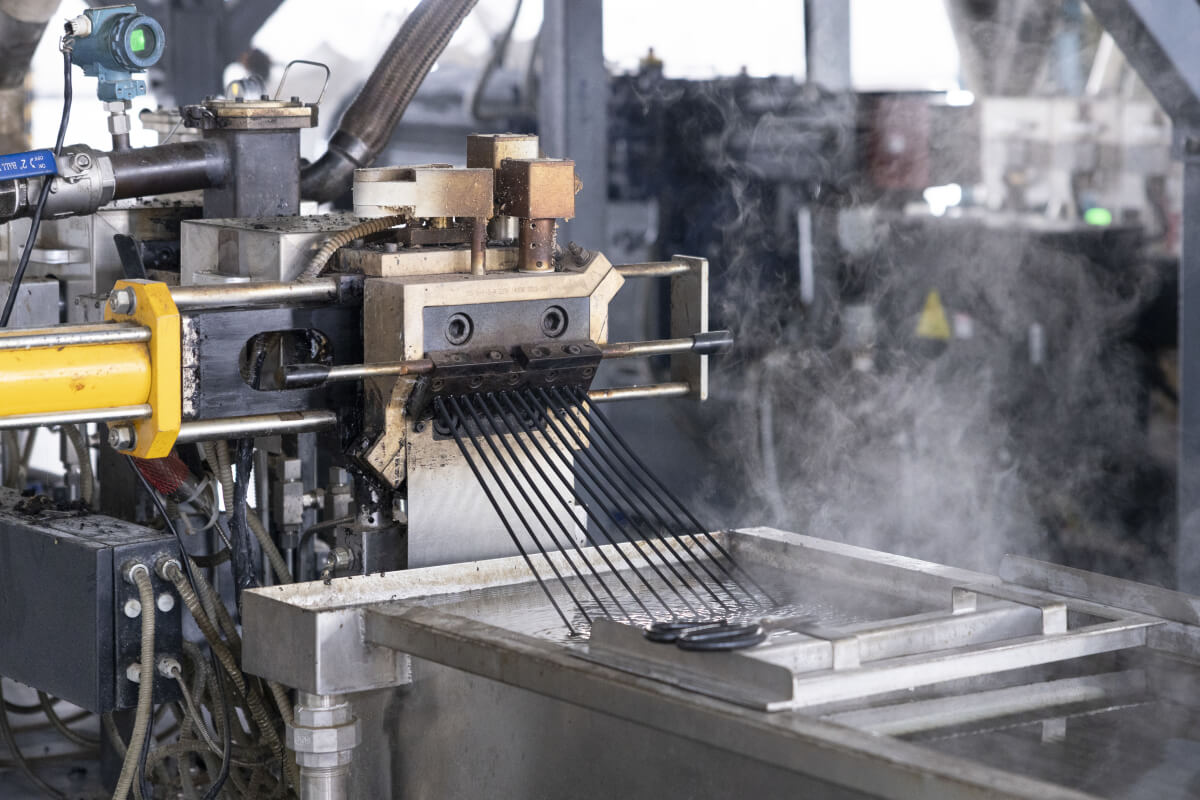
How to Choose a Reliable TPEE Manufacturer: A Practical Guide for Global Buyers When sourcing Thermoplastic Polyester Elastomer (TPEE), choosing the right manufacturer is about more […]
26 July 2026
Published by admin on 26 July 2026
Categories
Uncategorized
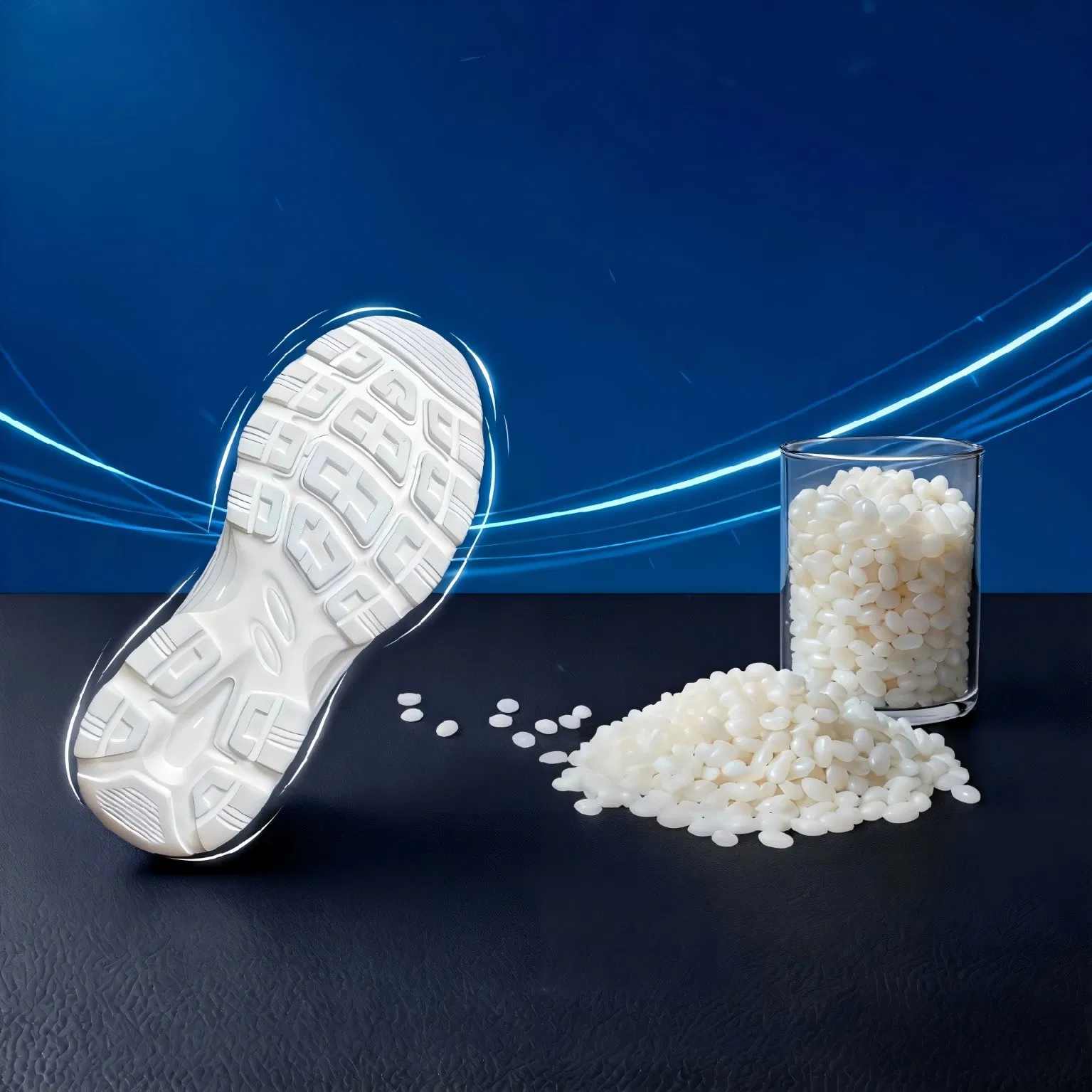
The footwear industry is constantly evolving as consumers and brands demand shoes that are lighter, more comfortable, more durable, and more sustainable. For decades, materials such […]
18 July 2026
Published by admin on 18 July 2026
Categories
Uncategorized
As industries continue to demand materials that combine durability, flexibility, lightweight performance, and manufacturing efficiency, Thermoplastic Polyester Elastomer (TPEE) has become one of the fastest-growing engineering […]
17 July 2026
Published by admin on 17 July 2026
Categories
Uncategorized
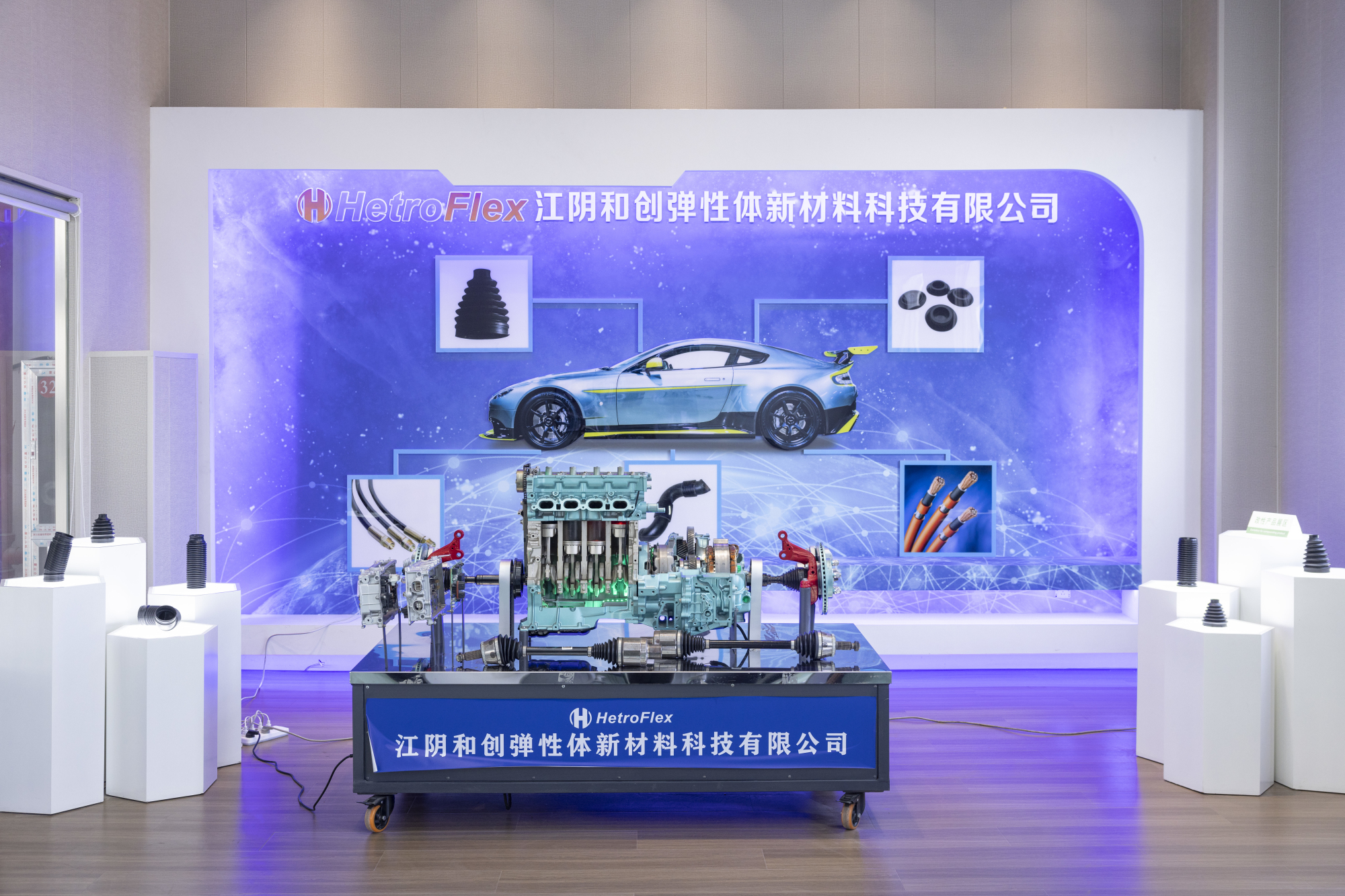
In the automotive and industrial manufacturing sectors, material selection has a direct impact on product durability, performance, and production efficiency. Hetroflex TPEE offers a specialized solution […]
13 July 2026
Published by admin on 13 July 2026
Categories
Uncategorized
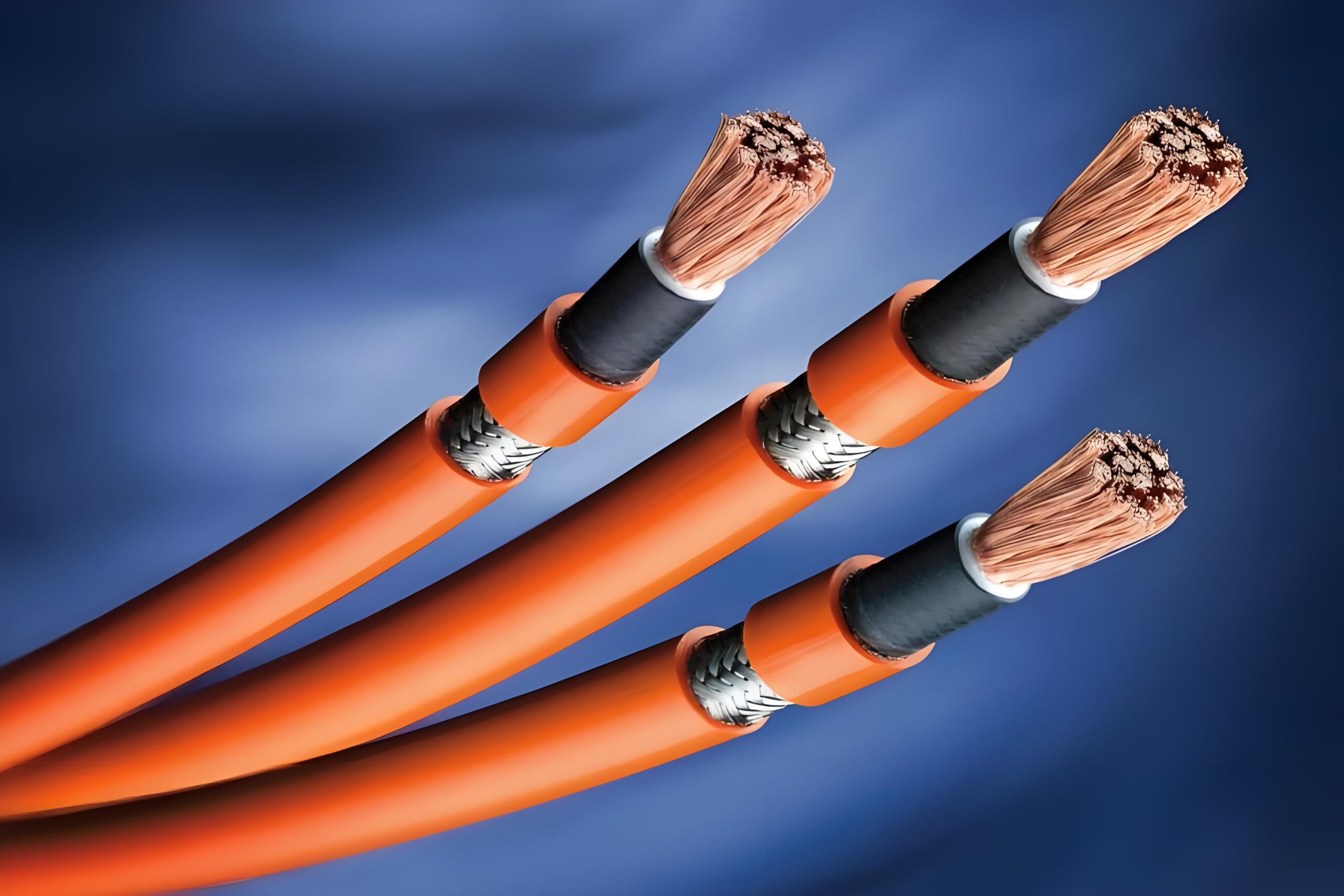
As global industries continue to demand more durable, flexible, and sustainable cable solutions, selecting the right cable sheathing material has become increasingly important. Whether used in […]
11 July 2026
Published by admin on 11 July 2026
Categories
Uncategorized
As sustainability becomes a top priority across industries, manufacturers are increasingly evaluating whether the materials they use can support a circular economy. One common question among […]
13 June 2026
Published by admin on 13 June 2026
Categories
Uncategorized
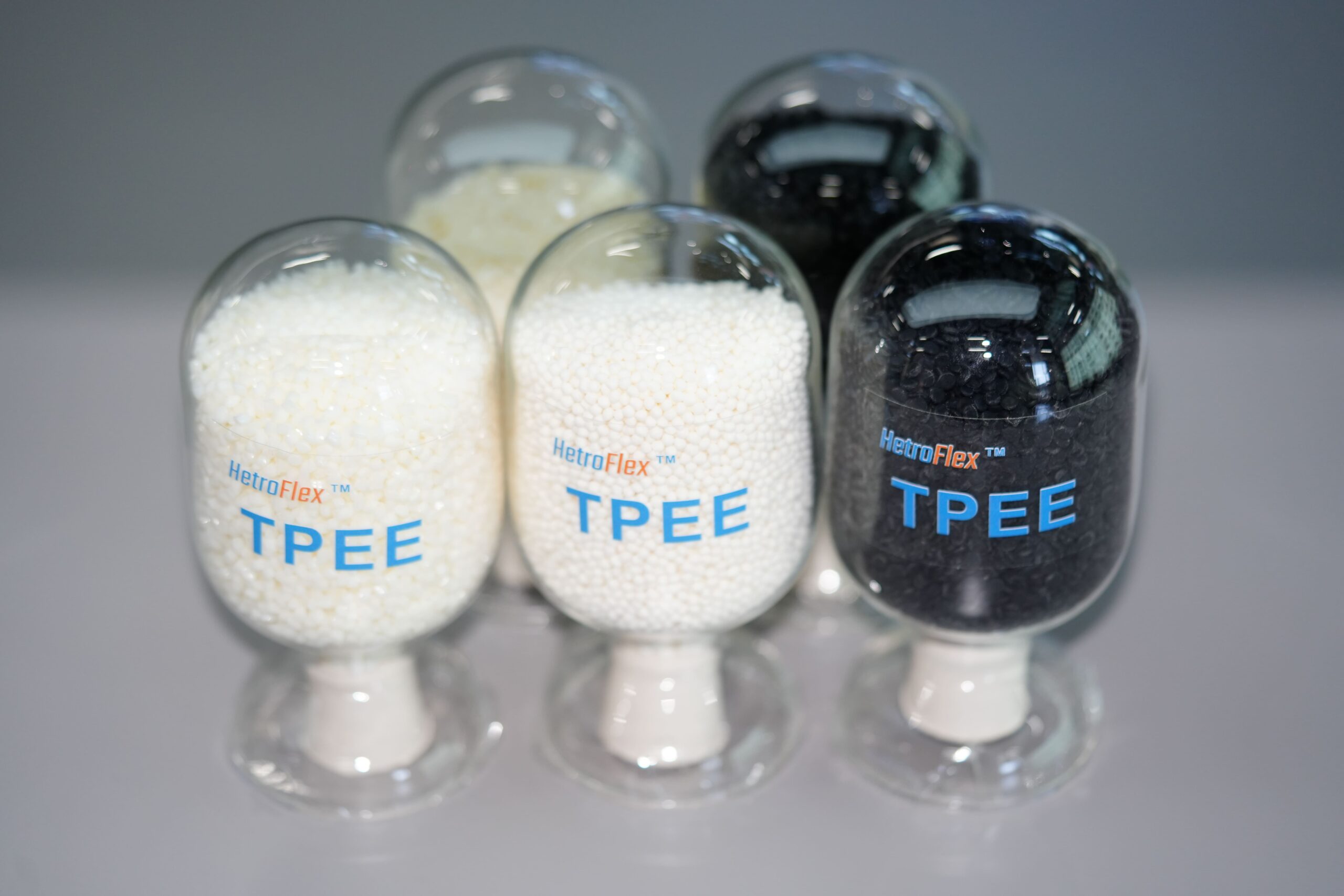
In today’s fast-paced manufacturing landscape, automotive, consumer electronics, and industrial design engineers are constantly searching for materials that push the boundaries of performance. For decades, vulcanized […]
7 June 2026
Published by admin on 7 June 2026
Categories
Uncategorized
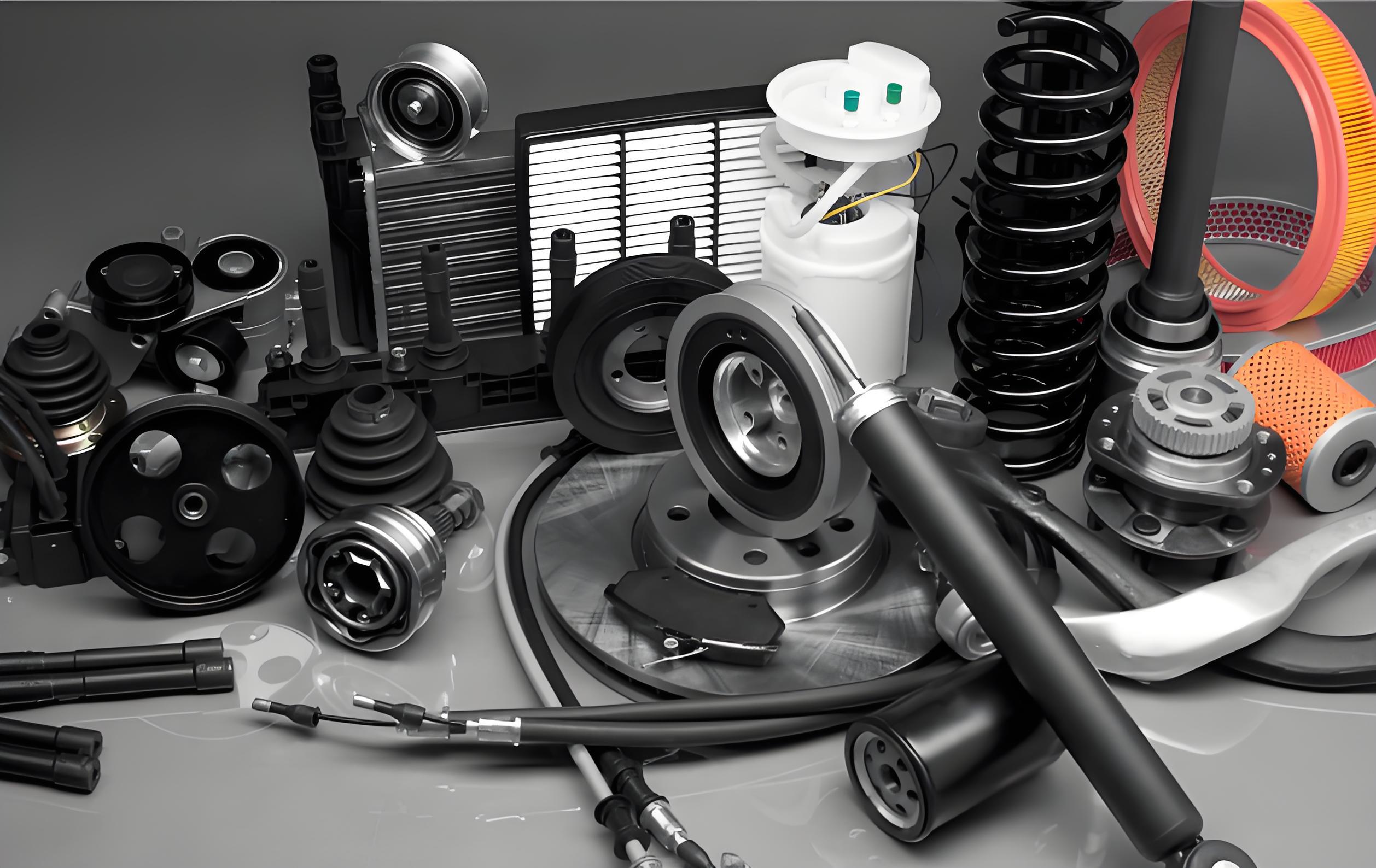
In high-performance engineering, Thermoplastic Polyester Elastomer (TPEE material) has become the go-to choice for components requiring the flexibility of rubber and the strength of plastics. From […]
30 May 2026
Published by admin on 30 May 2026
Categories
Uncategorized
When designing high-performance components for automotive, consumer electronics, or industrial machinery, selecting the right material is only half the battle. Thermoplastic Polyester Elastomer (TPEE) is often […]