
What Makes a Professional TPEE Manufacturer? A Guide for Global Buyers
20 August 2026
TPC-ET Material: Properties, Applications & Trusted TPC-ET Manufacturer Hetroflex TPEE
7 October 2026As ergonomic seating continues to evolve, chair manufacturers are looking for materials that can combine elasticity, long-term durability, structural support, and user comfort. Traditional polyester and nylon mesh materials provide good strength and breathability, but advanced seating designs increasingly require controlled elasticity and dynamic support. This is where TPEE material, or thermoplastic polyester elastomer, can provide an important material solution.
What Is TPEE Material?
TPEE is a thermoplastic elastomer that combines the processing advantages of thermoplastics with the elastic properties of rubber. Its molecular structure typically consists of hard polyester segments and soft polyether segments, allowing manufacturers to achieve a balance between flexibility, resilience, strength, and fatigue resistance.
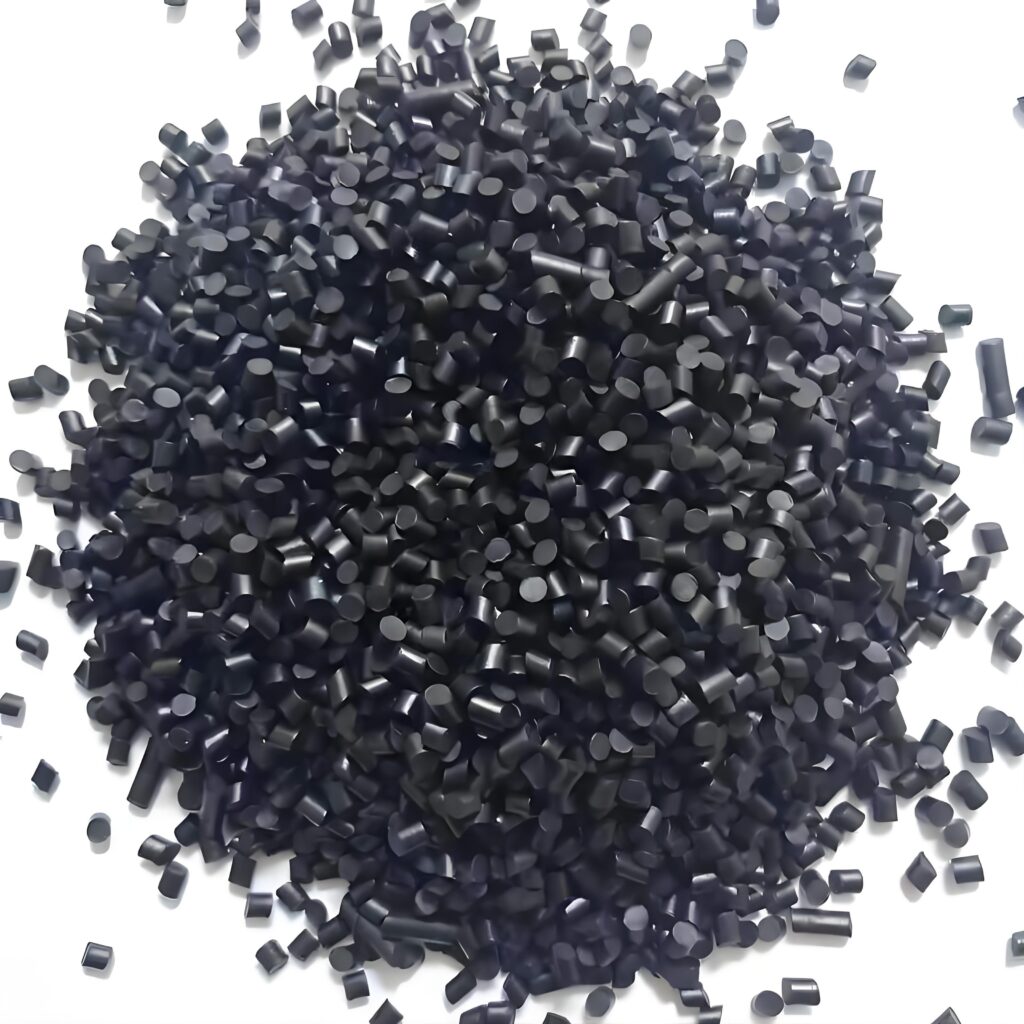
Unlike conventional rubber materials, TPEE can be processed using thermoplastic manufacturing technologies such as extrusion, injection molding, and specialized fiber or filament processing. This makes it suitable for engineered components and flexible structures used in modern ergonomic seating.
TPEE Applications in Ergonomic Chairs
One of the most promising applications is ergonomic chair mesh. TPEE can be incorporated into elastic yarns, filaments, webbing, or mesh structures to provide controlled stretch and recovery.
1. Chair Back Mesh
TPEE-based elastic mesh can help create a flexible backrest that adapts to the user’s body while maintaining consistent support. Its resilience can also help reduce permanent deformation after repeated loading.
2. Seat Suspension Mesh
For seat cushions and suspension systems, TPEE material can provide elastic support while distributing pressure across a larger area. Material hardness, elasticity, mesh density, and structural design can be adjusted according to the required seating characteristics.
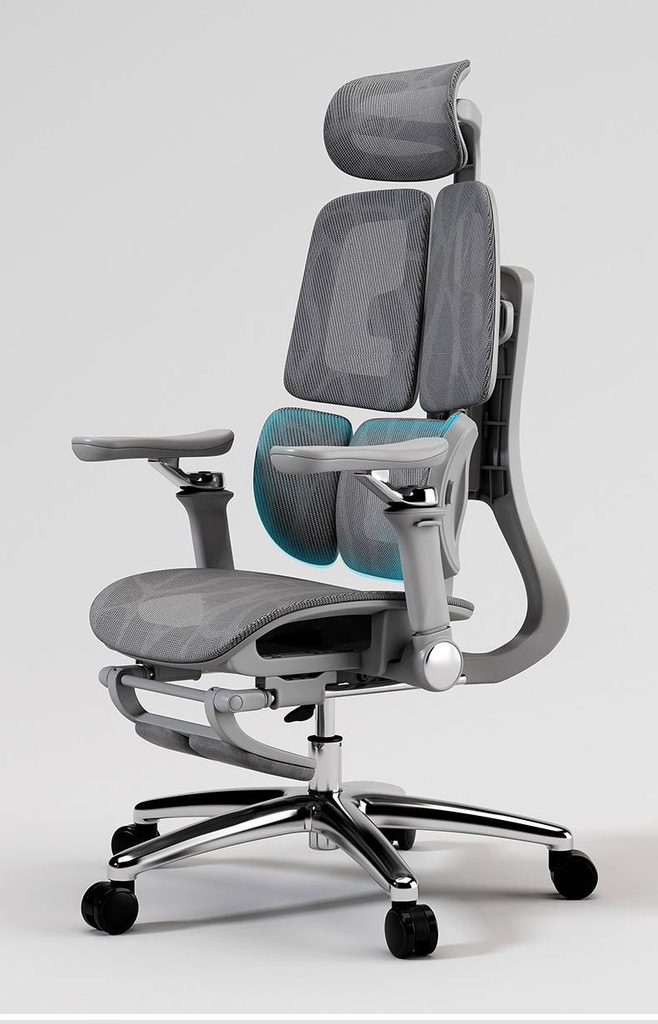
3. 3D Ergonomic Mesh
TPEE can also be used in advanced three-dimensional mesh structures. By combining different mesh densities and elastic properties, manufacturers can develop differentiated support zones for the shoulders, lumbar area, and seat.
4. Elastic Webbing and Support Components
TPEE is suitable for elastic webbing and flexible support elements used in backrests and seating systems. Compared with conventional textile-only structures, TPEE-based components can offer greater design flexibility and controlled elastic recovery.
Why Choose TPEE for Ergonomic Seating?
For manufacturers, the value of TPEE extends beyond basic flexibility. Key properties can include:
- High elastic recovery
- Excellent flex-fatigue resistance
- Good abrasion resistance
- Stable mechanical performance
- Good resistance to oils and many chemicals
- Thermoplastic processability
- Adjustable hardness and elasticity
These characteristics make TPEE particularly interesting for premium office chairs, ergonomic chairs, gaming chairs, and other seating products where long-term comfort and durability are important.
However, material selection should not be based on hardness alone. Chair manufacturers should evaluate tensile strength, elongation, compression behavior, fatigue performance, temperature resistance, mesh construction, and the expected service conditions of the final product.
How to Select a TPEE Supplier for Chair Applications
For manufacturers and purchasing engineers, selecting a reliable TPEE supplier requires more than comparing material prices. A suitable supplier should be able to provide consistent material quality, technical data, processing guidance, customized grades, and application support.
Important evaluation factors include:
- Hardness and elasticity requirements
- Processing method and equipment
- Required mechanical performance
- Long-term fatigue resistance
- Color and appearance requirements
- Regulatory and sustainability requirements
- Production scale and global supply capability
TPEE Solutions from Hetroflex TPEE
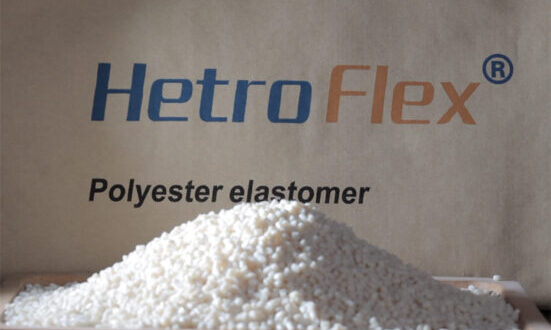
Hetroflex TPEE provides thermoplastic polyester elastomer solutions for manufacturers seeking reliable materials for demanding applications. With different performance grades and technical support, Hetroflex TPEE can work with customers to evaluate material properties and develop solutions for specific processing and product requirements.
As demand for ergonomic and dynamically supportive seating continues to grow, TPEE material offers manufacturers another pathway to design more resilient, comfortable, and durable chair mesh systems.
For companies evaluating TPEE for ergonomic chairs, mesh, elastic webbing, or other flexible components, working with an experienced TPEE supplier can help shorten material selection and product development cycles.
