TPEE Material in Ergonomic Chairs: Applications, Performance Benefits, and Material Selection
25 September 2026
Why TPC-ET Materials Are Ideal for Automotive CVJ Boots
17 October 2026For manufacturing engineers and raw material buyers searching for high-performance thermoplastic elastomers, TPC-ET material (also widely known as TPEE / thermoplastic copolyester elastomer) stands out for its balanced flexibility, heat resistance and outstanding flex fatigue performance. Selecting a professional TPC-ET manufacturer directly impacts part durability, production yield and long-term supply stability.
Hetroflex TPEE is a global TPC-ET material manufacturer with rich formulation and custom compounding experience, serving manufacturers, raw material distributors and custom development clients across worldwide markets. Our technical team supports material selection, formulation tuning and sample testing for your injection molding, extrusion and overmolding projects.
What is TPC-ET Material?
TPC-ET (Thermoplastic Copolyester Elastomer, ISO 18064) is a block copolymer consisting of hard crystalline polyester segments and soft polyether segments. It combines rubber-like elasticity with thermoplastic processing advantages, which means no vulcanization required, and scrap can be recycled. TPC-ET and TPEE refer to the same polymer family; TPC-ET is the standard ISO designation while TPEE is the common commercial shorthand used in material datasheets.
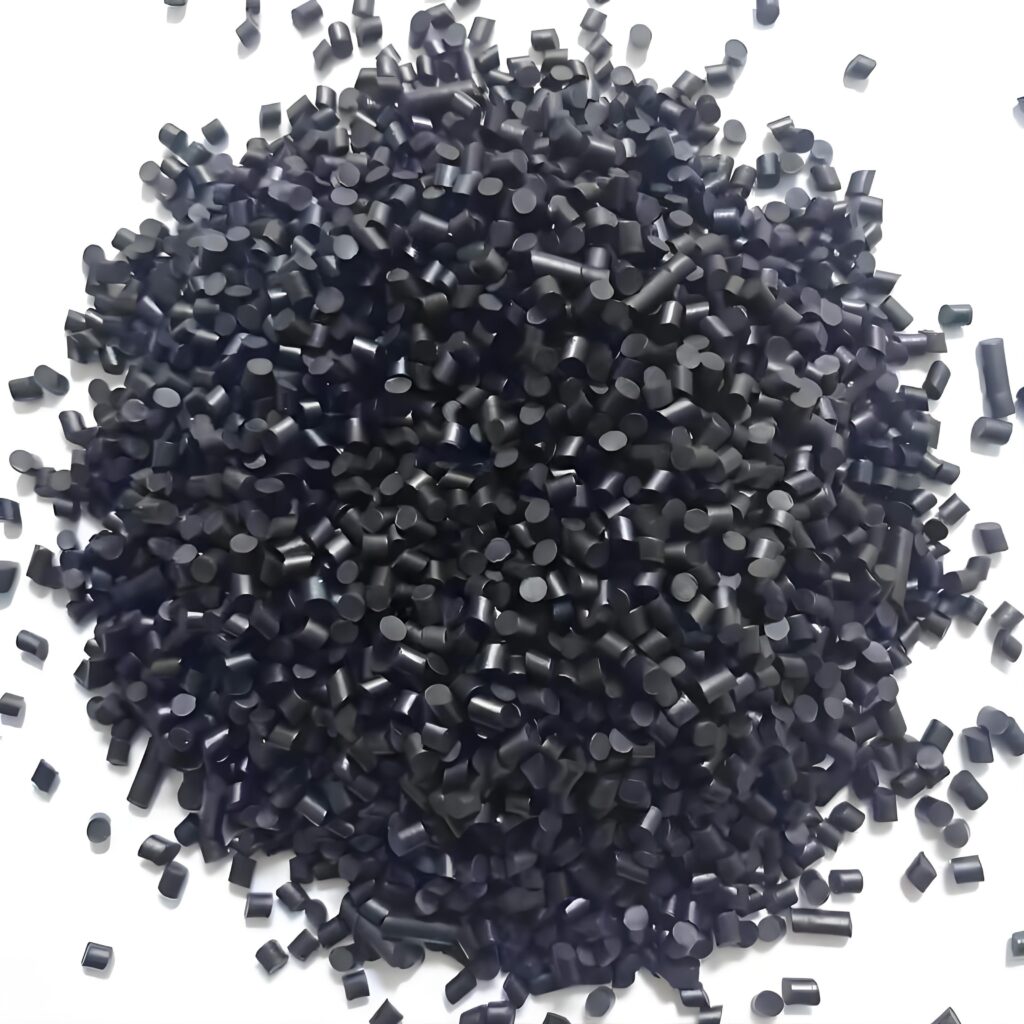
Unlike TPU or TPS thermoplastic elastomers, TPC-ET maintains mechanical properties under wide temperature ranges and offers superior resistance to oil, grease, aliphatic hydrocarbons and repeated flex cycling.
Key Properties of TPC-ET Material
- Excellent flex fatigue resistance, ideal for dynamic bending parts
- Wide service temperature range, retains elasticity under high and low temperature
- Outstanding oil, grease and chemical resistance
- Good abrasion and tear resistance
- Strong overmolding adhesion with ABS, PBT, PC and metal substrates
- Low moisture absorption, stable dimensional performance
- Processable via injection molding, extrusion, blow molding and film forming
- Recyclable thermoplastic, no crosslink vulcanization
Common Industrial Applications of TPC-ET
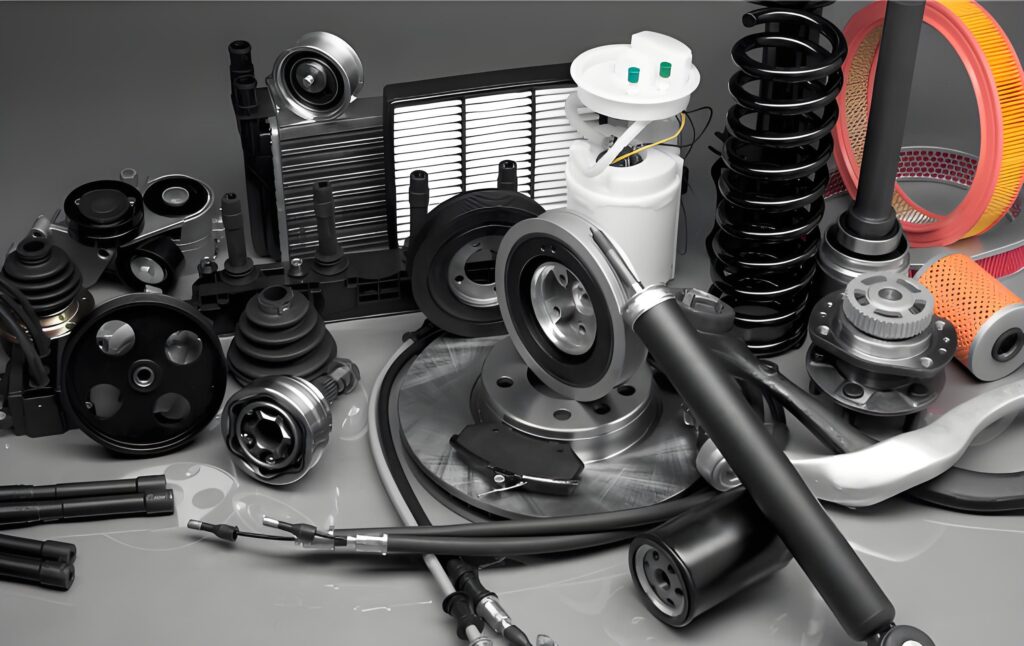
- Automotive parts – CVJ boots, air intake ducts, cable sleeves, under-hood flexible bellows, seals and gaskets
- Wire & cable – flexible cable jacketing, high-flex industrial wiring
- Industrial fluid handling – pneumatic hoses, pump tubing, diaphragms
- Power tools & consumer hardware – soft grips, shock absorbing components
- Sporting goods – ski boot flex parts, athletic footwear components
- Custom engineered flexible components for OEM manufacturers
Many procurement engineers switch to TPC-ET material when TPU fails on heat, oil or long flex-life requirements.
TPC-ET vs TPU: How to Choose the Right Elastomer
| Feature | TPC-ET (Hetroflex TPEE) | TPU |
|---|---|---|
| Continuous heat resistance | Up to ~150°C | Typically 80–100°C |
| Oil & fuel resistance | Excellent | Moderate |
| Flex fatigue life | Superior | Good, lower for long-cycle dynamic parts |
| Low-temperature toughness | Excellent | Good |
| Processing | Injection / extrusion, pre-drying required | Lower melt temperature |
Choose TPC-ET material if your product faces high temperature, oil contact, or millions of flex cycles. Select TPU for soft, low-temperature and cost-sensitive non-heavy-duty applications.
Hetroflex TPEE: Your Global TPC-ET Manufacturer
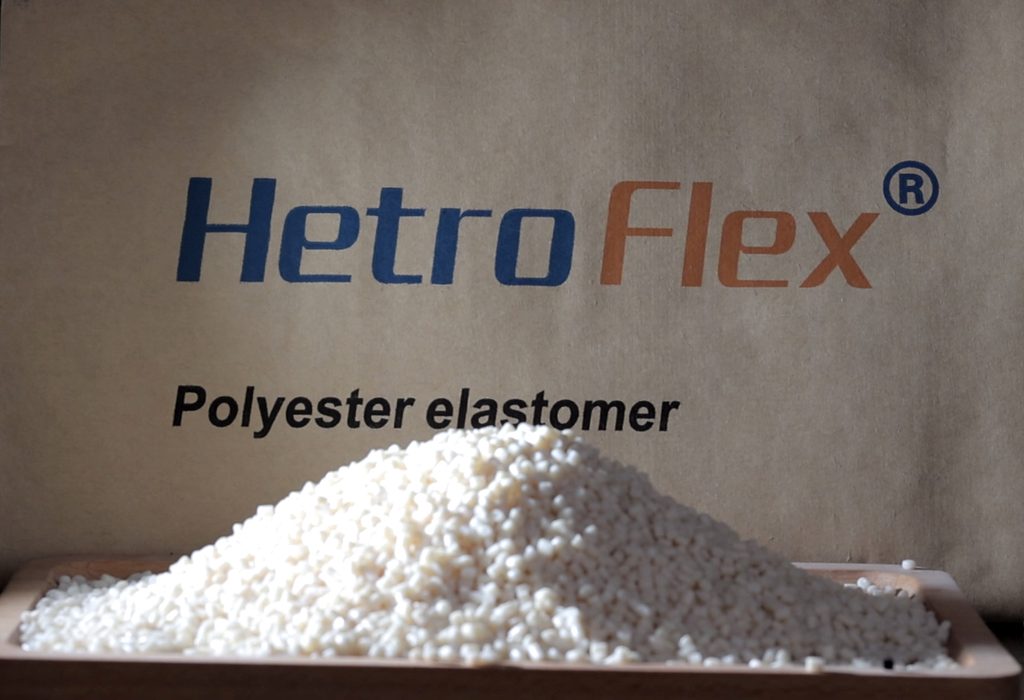
As an experienced TPC-ET manufacturer, Hetroflex TPEE focuses on high-performance TPC-ET resin and custom compound grades for global customers. Our advantages for factories, distributors and custom clients:
- Full hardness portfolio: Shore D 35–72 grades for diverse application needs
- Custom formulation support: UV stabilization, color matching, modified compounding
- Strict batch testing, consistent quality with complete COA and datasheet
- Global supply service for raw material distributors and OEM manufacturers
- Professional material engineering support: sample supply, material recommendation, molding guidance
- Sustainable options including bio-based and recycled TPC-ET grades
Our team works directly with procurement engineers and R&D teams to shorten your material qualification cycle. Whether you need standard TPC-ET pellets or custom modified TPC-ET material, Hetroflex TPEE delivers reliable technical and supply support.
FAQ for TPC-ET Material Buyers
Q1: What is the difference between TPC-ET and TPEE?
A: TPC-ET and TPEE name the same thermoplastic copolyester elastomer. TPC-ET is the ISO standard material code; TPEE is the widely used commercial abbreviation. Hetroflex TPEE produces TPC-ET material under the Hetroflex brand.
Q2: Can TPC-ET be overmolded onto rigid plastics?
A: Yes. TPC-ET shows excellent bonding with PC, PBT, ABS and metal for overmolded grip, sealing and shock absorption parts.
Q3: Is TPC-ET recyclable?
A: Yes. As thermoplastic elastomer, TPC-ET can be reprocessed without vulcanization. Production scraps can be recycled properly.
Q4: How to get TPC-ET samples from Hetroflex TPEE?
A: Contact our sales and engineering team for sample kits, technical datasheets and custom grade evaluation. We support global shipping for manufacturer and distributor clients.
Conclusion
TPC-ET material is the premium thermoplastic elastomer choice for dynamic, high-temperature and oil-resistant components. Partnering with a trusted TPC-ET manufacturer reduces quality risk and supply uncertainty. Hetroflex TPEE provides standard and custom TPC-ET resin to manufacturing factories, raw material distributors and custom product developers worldwide. Contact our team today to discuss your material requirements and request samples.