
Can TPEE Be Recycled? Everything Manufacturers Should Know About TPEE Material
11 July 2026
Why Hetroflex TPEE BT Series Is Ideal for Blow Molding Automotive Parts
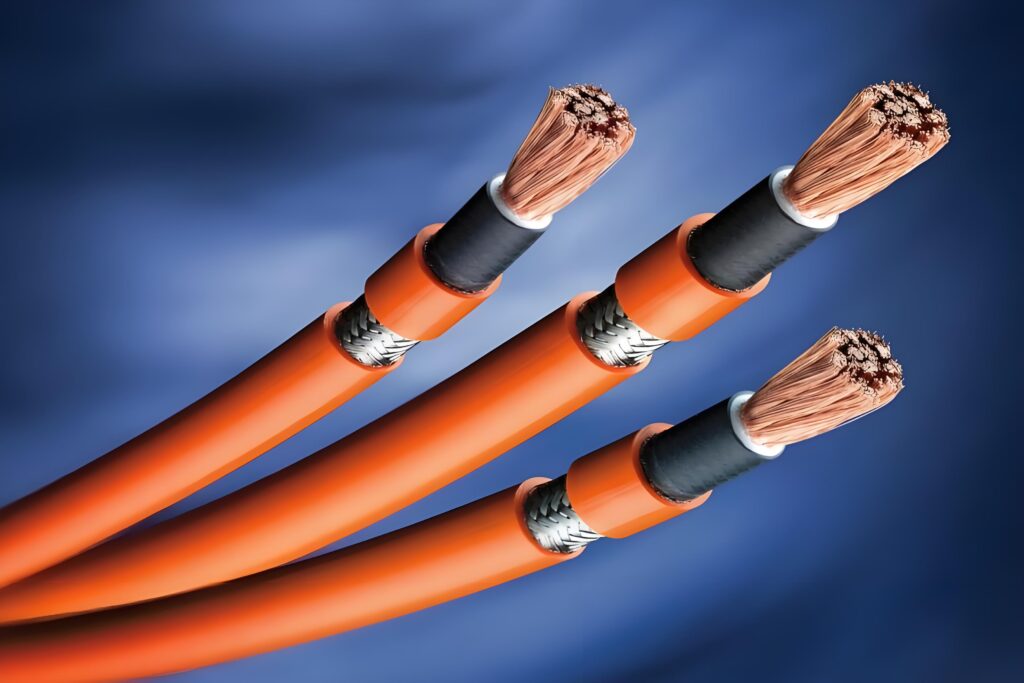
17 July 2026As global industries continue to demand more durable, flexible, and sustainable cable solutions, selecting the right cable sheathing material has become increasingly important. Whether used in industrial automation, electric vehicles, robotics, telecommunications, or renewable energy systems, cable sheaths must withstand harsh environmental conditions while maintaining long-term reliability.
Among the many material options available today, TPEE material (Thermoplastic Polyester Elastomer) has emerged as one of the most versatile choices. Combining the elasticity of rubber with the strength and processability of engineering plastics, TPEE delivers an exceptional balance of mechanical performance, chemical resistance, and manufacturing efficiency.
In this article, we’ll explore why Extrusion Grade TPEE material is becoming the preferred solution for cable sheathing, compare it with TPU and traditional rubber, and explain why manufacturers worldwide choose Hetroflex TPEE H Series for demanding cable applications.
What Is TPEE Material?
TPEE (Thermoplastic Polyester Elastomer) is a high-performance engineering thermoplastic elastomer consisting of hard polyester segments and soft polyether or polyester segments. This unique molecular structure enables TPEE to combine rigidity and flexibility in a single material.
Unlike thermoset rubber, TPEE is fully thermoplastic, meaning it can be melted, extruded, and recycled without significant loss of performance. This makes it an ideal material for high-volume cable manufacturing.
Key characteristics include:
- Excellent flexibility across a wide temperature range
- Outstanding abrasion resistance
- High tensile and tear strength
- Superior fatigue resistance
- Excellent hydrolysis resistance
- UV and weather resistance
- Outstanding electrical insulation
- Easy extrusion processing
- Recyclable and environmentally friendly
These advantages make TPEE an increasingly popular choice for industrial cable sheathing.
Why Cable Sheathing Material Matters
Cable sheaths serve as the first line of defense against external damage. An unsuitable material can lead to premature cable failure, increased maintenance costs, and safety risks.
A high-quality cable sheath should provide:
- Mechanical protection
- Electrical insulation
- Chemical resistance
- UV stability
- Moisture resistance
- Flexibility during installation
- Long service life
- Reliable performance under dynamic bending
As cable systems become more sophisticated, especially in EVs, robotics, and industrial automation, the performance requirements for sheathing materials continue to rise.
Why TPEE Material Is Ideal for Cable Sheathing
1. Excellent Flexibility Without Sacrificing Strength
One of the biggest advantages of TPEE material is its ability to remain flexible while maintaining high mechanical strength. This combination allows cables to withstand repeated bending, twisting, and vibration without cracking or deformation.
Applications include:
- Robotic cables
- Drag chain cables
- Industrial automation
- Charging cables
- Portable electronic equipment
2. Outstanding Abrasion Resistance
Cable sheaths are frequently exposed to friction and mechanical wear.
Compared with many conventional elastomers, TPEE offers superior abrasion resistance, helping extend cable lifespan in demanding environments such as:
- Manufacturing plants
- Mining equipment
- Railway systems
- Construction machinery
3. Superior Hydrolysis Resistance
Moisture is one of the leading causes of cable degradation.
High-quality TPEE material demonstrates excellent hydrolysis resistance, making it suitable for:
- Outdoor installations
- Marine environments
- Underground cables
- High-humidity industrial facilities
This property significantly improves long-term reliability.
4. Excellent Weather and UV Resistance
Outdoor cables must withstand prolonged exposure to sunlight, rain, ozone, and fluctuating temperatures.
TPEE offers excellent resistance to:
- UV radiation
- Ozone
- Weather aging
- Temperature cycling
This reduces maintenance costs and increases service life.
5. Chemical Resistance
Industrial cables often encounter oils, fuels, solvents, cleaning agents, and hydraulic fluids.
TPEE material provides outstanding resistance to many industrial chemicals, making it suitable for:
- Factory automation
- Automotive production lines
- Oil & gas equipment
- Industrial machinery
6. Excellent Electrical Insulation
Electrical performance is critical for cable sheathing.
TPEE combines:
- Stable dielectric properties
- High insulation performance
- Low leakage current
- Reliable electrical protection
These characteristics make it suitable for high-performance electrical and communication cables.
7. Efficient Extrusion Processing
For cable manufacturers, production efficiency is just as important as material performance.
Extrusion Grade TPEE offers:
- Fast crystallization
- Stable melt flow
- Smooth extrusion
- Consistent dimensional accuracy
- Reduced cycle times
These processing advantages help manufacturers improve productivity while reducing manufacturing costs.
TPEE vs TPU vs Rubber for Cable Sheathing
| Property | TPEE Material | TPU | Rubber |
|---|---|---|---|
| Flexibility | Excellent | Excellent | Excellent |
| Abrasion Resistance | Excellent | Very Good | Good |
| Hydrolysis Resistance | Excellent | Moderate to Good | Moderate |
| Weather Resistance | Excellent | Good | Moderate |
| Chemical Resistance | Excellent | Good | Moderate |
| Heat Resistance | Excellent | Moderate | Moderate |
| Electrical Properties | Excellent | Good | Moderate |
| Extrusion Efficiency | Excellent | Good | Poor |
| Recyclability | Yes | Yes | No |
For manufacturers seeking a balance of durability, processability, and sustainability, TPEE material offers significant advantages over both TPU and traditional rubber.
Typical Applications of TPEE Cable Sheathing
Thanks to its outstanding performance, TPEE is widely used in:
Electric Vehicle Charging Cables
Providing flexibility, weather resistance, and durability for long-term outdoor use.
Industrial Automation
Protecting cables in robotic systems and automated production lines subjected to continuous movement.
Railway Systems
Offering excellent wear resistance and long service life for signaling and power cables.
Communication Equipment
Supporting reliable performance in antenna cables, data transmission cables, and telecom infrastructure.
Renewable Energy
Used in solar and wind power cable systems requiring UV and weather resistance.
Why Choose Hetroflex TPEE H Series?
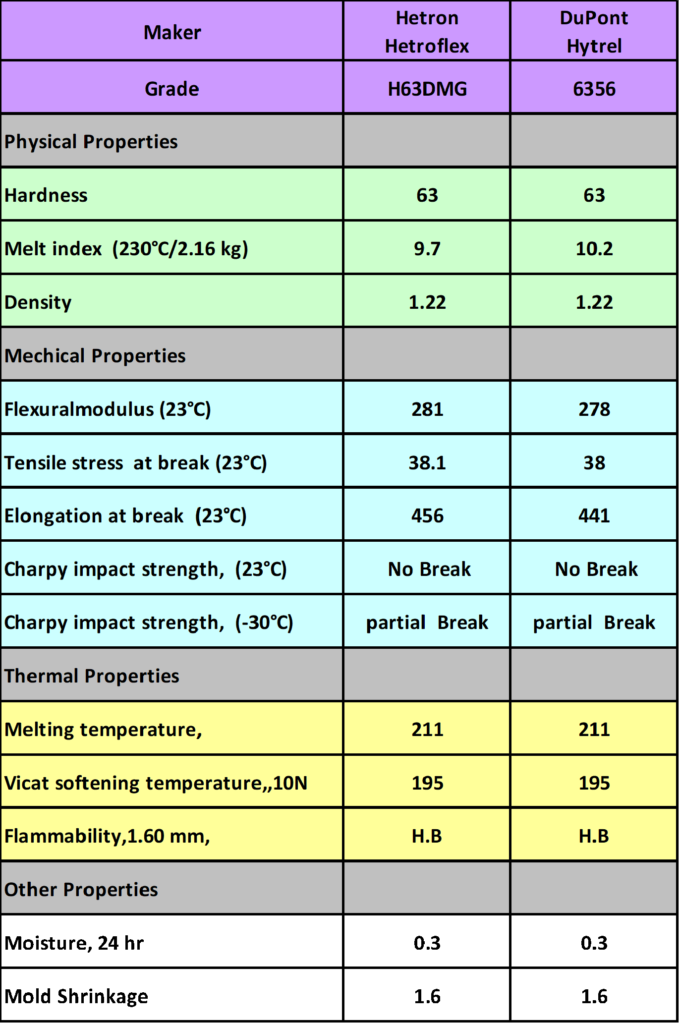
Designed specifically for extrusion applications, Hetroflex TPEE H Series delivers the performance required for modern cable manufacturing.
Key advantages include:
- Optimized for cable extrusion
- Fast crystallization for higher production efficiency
- Excellent thermal stability
- Superior hydrolysis resistance
- Outstanding chemical resistance
- High flexural modulus
- Excellent electrical insulation properties
- Long-term aging resistance
- Good resilience and creep resistance
- Consistent quality for global manufacturing
Whether you’re producing industrial cables, EV charging cables, communication cables, or specialty wire solutions, Hetroflex H Series provides a reliable and cost-effective material platform.
How to Choose the Right TPEE Material for Cable Sheathing
When selecting a TPEE grade, consider the following factors:
Operating Environment
Will the cable be exposed to UV light, moisture, chemicals, or extreme temperatures?
Flexibility Requirements
Determine the required bending radius and dynamic flex performance.
Processing Method
Choose a grade optimized for extrusion to improve productivity and product consistency.
Mechanical Performance
Evaluate tensile strength, abrasion resistance, hardness, and fatigue life.
Compliance Requirements
Ensure the material meets applicable industry standards and customer specifications.
Working with an experienced supplier like Hetroflex TPEE helps ensure the selected material aligns with both technical and commercial requirements.
Frequently Asked Questions (FAQ)
Is TPEE better than TPU for cable sheathing?
For many industrial and outdoor applications, TPEE offers superior heat resistance, hydrolysis resistance, and long-term durability, while maintaining excellent flexibility.
Can TPEE be extruded?
Yes. Extrusion Grade TPEE is specifically engineered for efficient extrusion processing, making it ideal for cable sheathing and tubing applications.
Is TPEE material recyclable?
Yes. As a thermoplastic elastomer, TPEE can be recycled and reprocessed, helping manufacturers reduce waste and improve sustainability.
What industries commonly use TPEE cable sheathing?
Industries include automotive, robotics, industrial automation, telecommunications, rail transportation, renewable energy, and consumer electronics.
Why choose Hetroflex TPEE?
Hetroflex TPEE offers customized formulations, stable product quality, global supply capabilities, and technical support tailored to demanding industrial applications.
Conclusion
As industries continue to demand higher-performance cable systems, choosing the right sheathing material is critical to ensuring durability, safety, and manufacturing efficiency. Compared with TPU and traditional rubber, TPEE material offers a superior combination of flexibility, abrasion resistance, hydrolysis resistance, electrical performance, and recyclability.
For manufacturers, distributors, and procurement engineers seeking a dependable extrusion-grade solution, Hetroflex TPEE H Series provides the performance needed for modern cable applications. Backed by advanced material technology, consistent quality, and global technical support, Hetroflex TPEE helps businesses develop longer-lasting, more reliable cable products while improving production efficiency and supporting sustainable manufacturing.
