
TPEE Modification Methods and Applications: A Complete Guide for Modern Manufacturing
18 July 2026
How to Choose a Reliable TPEE Manufacturer: A Practical Guide for Global Buyers
17 August 2026The footwear industry is constantly evolving as consumers and brands demand shoes that are lighter, more comfortable, more durable, and more sustainable. For decades, materials such as EVA (Ethylene Vinyl Acetate), TPU (Thermoplastic Polyurethane), and rubber have dominated shoe sole manufacturing. However, as performance requirements continue to increase, traditional materials are facing new challenges, including energy loss, compression deformation, limited durability, and recycling difficulties.
A new generation of advanced elastomers is emerging to address these limitations.
Among them, TPEE shoe sole material is becoming an increasingly attractive solution for high-performance footwear applications. Combining the elasticity of rubber with the processing advantages of thermoplastics, TPEE (Thermoplastic Polyester Elastomer) provides excellent resilience, fatigue resistance, durability, and design flexibility.
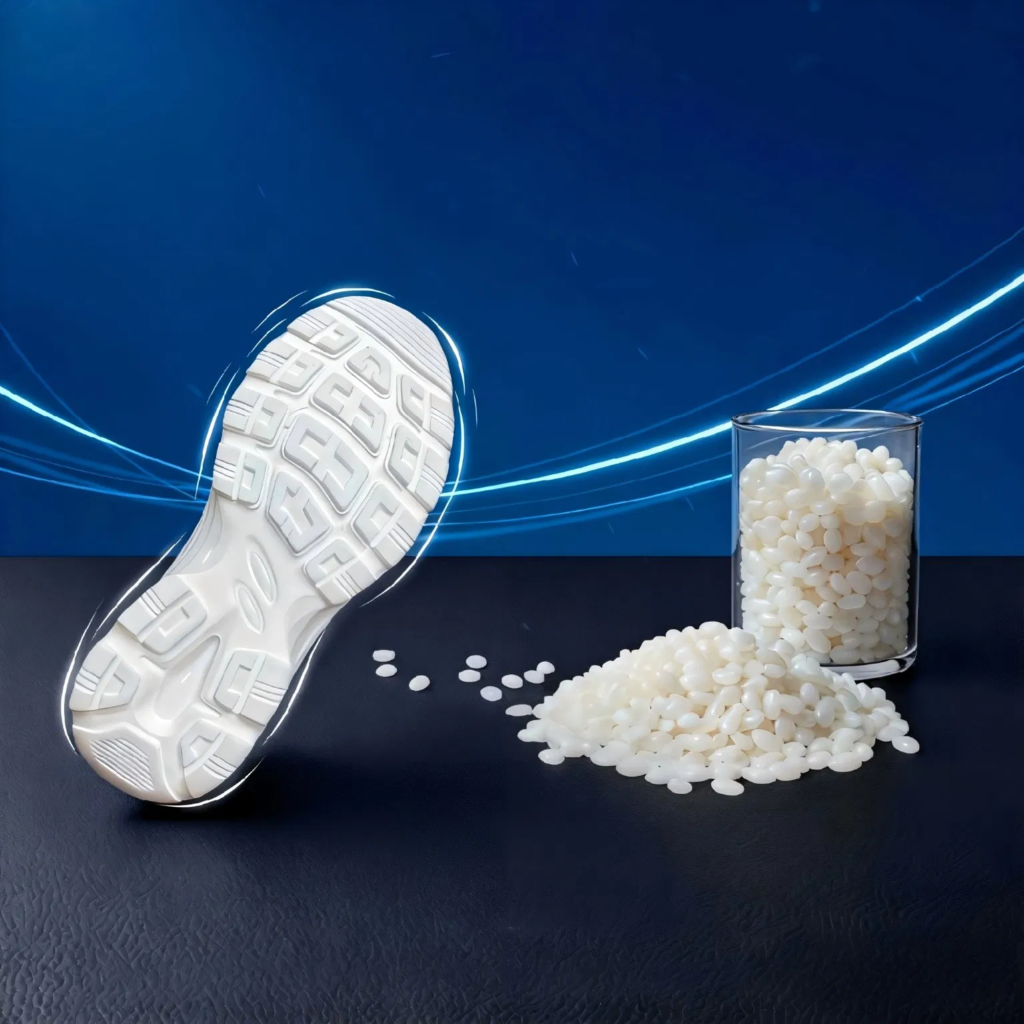
For footwear manufacturers looking to develop premium athletic shoes, running shoes, outdoor footwear, and innovative cushioning systems, Hetroflex TPEE offers advanced material solutions designed to meet modern footwear demands.
What Is TPEE Shoe Sole Material?
TPEE, also known as Thermoplastic Polyester Elastomer, is a block copolymer consisting of hard polyester segments and soft polyether segments.
This unique molecular structure provides a combination of:
- High elasticity
- Excellent mechanical strength
- Outstanding fatigue resistance
- Wide temperature performance
- Chemical resistance
- Recyclability
Unlike traditional rubber materials, TPEE can be processed using thermoplastic manufacturing technologies such as injection molding and extrusion, improving production efficiency and reducing manufacturing complexity.
In footwear applications, TPEE shoe sole material is mainly used in:
- Running shoe midsoles
- Performance cushioning components
- Outsoles
- Heel structures
- Reinforcement parts
- Sports footwear components
Why Are Footwear Manufacturers Choosing TPEE?
1. Superior Energy Return for High-Performance Footwear
One of the most important requirements for modern athletic shoes is energy return.
When runners or athletes move, the midsole material needs to absorb impact energy and quickly release it to provide propulsion.
Traditional foam materials may gradually lose elasticity after repeated compression. This results in reduced cushioning performance over time.
TPEE offers excellent elastic recovery and dynamic resilience, helping footwear maintain:
- Consistent cushioning performance
- Better responsiveness
- Long-lasting comfort
For running shoes and sports footwear, these characteristics make TPEE an ideal high rebound footwear material.
2. Excellent Compression Resistance and Long-Term Durability
A major challenge with conventional EVA-based midsoles is compression set.
After extended use, EVA foam can permanently deform, causing:
- Reduced cushioning
- Uneven support
- Shorter product lifespan
TPEE has excellent resistance to compression deformation, allowing shoe soles to maintain their original structure even after repeated stress.
This makes TPEE particularly suitable for:
- Professional running shoes
- Training shoes
- Outdoor footwear
- High-performance sports products
3. Lightweight Design Without Sacrificing Performance
Weight reduction is a key trend in the footwear industry.
Brands are continuously searching for materials that can achieve:
- Lower shoe weight
- Better cushioning
- Improved durability
Compared with many traditional elastomers, TPEE provides a balanced combination of lightweight characteristics and mechanical performance.
Through advanced technologies such as supercritical foaming, TPEE can create microcellular structures that further reduce density while maintaining excellent rebound properties.
This makes TPEE foam footwear solutions a promising technology for next-generation athletic shoes.
4. Wide Temperature Resistance for Various Footwear Applications
Footwear products are often exposed to different environmental conditions, including:
- Cold outdoor environments
- High-temperature regions
- Long-term storage conditions
TPEE maintains stable mechanical properties across a wide temperature range, making it suitable for:
- Hiking shoes
- Outdoor footwear
- Winter sports shoes
- Industrial protective footwear
Compared with some conventional materials, TPEE provides more reliable performance under demanding conditions.
5. Better Processing Flexibility for Footwear Manufacturers
For manufacturers, material performance is only one consideration. Processing efficiency is equally important.
TPEE offers excellent processing advantages:
- Injection molding compatibility
- Stable production performance
- Good dimensional accuracy
- Easy customization through formulation adjustment
Manufacturers can optimize TPEE formulations based on specific requirements, including:
- Hardness
- Flexibility
- Elasticity
- Abrasion resistance
- Color requirements
This flexibility allows footwear brands and OEM manufacturers to develop customized sole solutions.
TPEE vs Traditional Shoe Sole Materials
TPEE vs EVA
| Performance | EVA | TPEE |
|---|---|---|
| Lightweight | Excellent | Excellent |
| Elastic Recovery | Medium | Excellent |
| Compression Resistance | Moderate | Excellent |
| Long-Term Durability | Medium | High |
| Recyclability | Limited | Better |
EVA remains widely used in footwear due to its low cost and lightweight properties. However, TPEE provides advantages in applications where durability and performance are more important.
TPEE vs TPU
| Performance | TPU | TPEE |
|---|---|---|
| Elasticity | Excellent | Excellent |
| Fatigue Resistance | Good | Excellent |
| Temperature Resistance | Medium | Excellent |
| Processing Stability | Good | Excellent |
| Lightweight Foam Potential | Medium | High |
Both TPU and TPEE are advanced elastomers, but TPEE provides unique advantages for applications requiring long-term resilience and fatigue resistance.
Sustainable Advantages of TPEE in Footwear
Sustainability has become a major focus for global footwear brands.
Manufacturers are increasingly seeking materials that support:
- Reduced environmental impact
- Recycling programs
- Circular manufacturing
Compared with traditional thermoset rubber, TPEE offers better recyclability because it can be reprocessed through thermoplastic technologies.
With recycled material technologies such as PCR (Post-Consumer Recycled) and PIR (Post-Industrial Recycled), TPEE can support more sustainable footwear development.
Hetroflex TPEE provides innovative material solutions designed to help manufacturers explore future-oriented footwear applications.
Applications of TPEE in Modern Footwear Manufacturing
Today, TPEE is being explored and applied in various footwear components:
Athletic Running Shoes
Key benefits:
- High energy return
- Lightweight cushioning
- Long-lasting comfort
Outdoor Footwear
Advantages:
- Weather resistance
- Mechanical durability
- Flexibility under harsh conditions
Sports Performance Shoes
Applications:
- Cushioning systems
- Structural support components
- Reinforcement parts
Customized Footwear Solutions
TPEE can be modified according to:
- Brand requirements
- Manufacturing processes
- Performance targets
Why Choose Hetroflex TPEE for Footwear Applications?
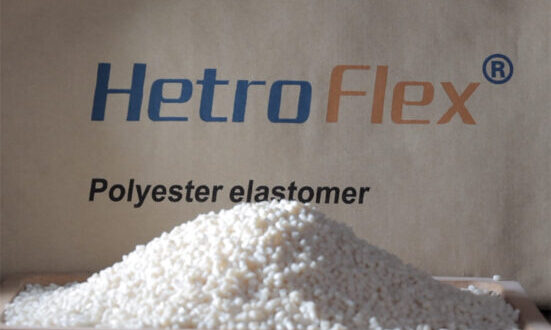
As a professional TPEE material supplier, Hetroflex TPEE focuses on developing high-performance thermoplastic polyester elastomer solutions for global manufacturers.
Our TPEE materials are designed to support applications requiring:
- High elasticity
- Superior durability
- Excellent processing performance
- Customized formulation solutions
With technical expertise and material innovation capabilities, Hetroflex TPEE helps footwear manufacturers develop next-generation products with improved comfort, performance, and reliability.
Whether you are a footwear factory, material distributor, or brand supply chain partner, Hetroflex provides professional TPEE solutions for advanced footwear applications.
Conclusion: TPEE Is Shaping the Future of Shoe Sole Materials
The footwear industry is moving toward lighter, more durable, and higher-performance materials.
While traditional materials such as EVA and TPU will continue to play important roles, TPEE shoe sole material offers a unique combination of elasticity, durability, processing flexibility, and sustainability.
As demand for premium athletic and outdoor footwear continues to grow, TPEE is positioned to become one of the key materials driving the next generation of shoe sole innovation.
For manufacturers seeking reliable and advanced elastomer solutions, Hetroflex TPEE provides customized materials designed for the future of footwear.
