

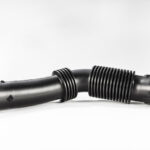
Best Material for Automotive Air Duct Systems: The Engineering Shift to TPEE
8 March 2026
TPEE Automotive Applications: Why Global Manufacturers Choose TPEE Materials
14 March 2026In modern manufacturing, thermoplastic elastomers (TPEs) have become essential materials for industries ranging from automotive and electronics to medical and consumer goods. However, many engineers and procurement professionals often face an important question:
TPEE vs TPE — which material is better for a specific application?
While both materials belong to the thermoplastic elastomer family, TPEE (Thermoplastic Polyester Elastomer) offers unique mechanical and thermal advantages that make it ideal for demanding industrial environments.
In this guide, we will compare TPEE vs TPE in terms of structure, performance, durability, and application scenarios to help manufacturers and material buyers choose the right solution.
What Is TPEE?
TPEE (Thermoplastic Polyester Elastomer) is a high-performance engineering thermoplastic that combines the elasticity of rubber with the strength and processability of plastics.
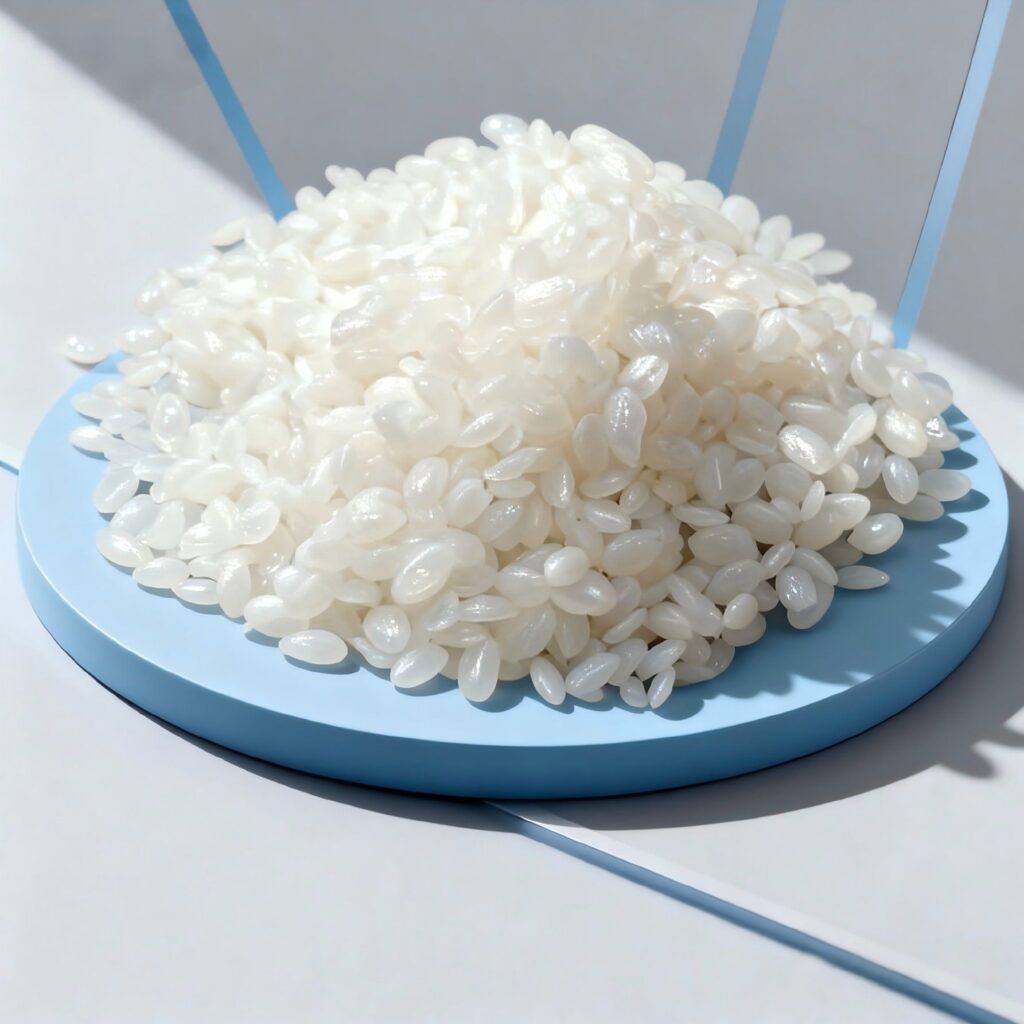
It is a block copolymer consisting of:
- Hard segments (polyester)
- Soft segments (polyether or polyester)
This structure gives TPEE exceptional performance characteristics, including:
- High mechanical strength
- Excellent fatigue resistance
- Superior heat resistance
- Outstanding chemical resistance
- Long-term durability
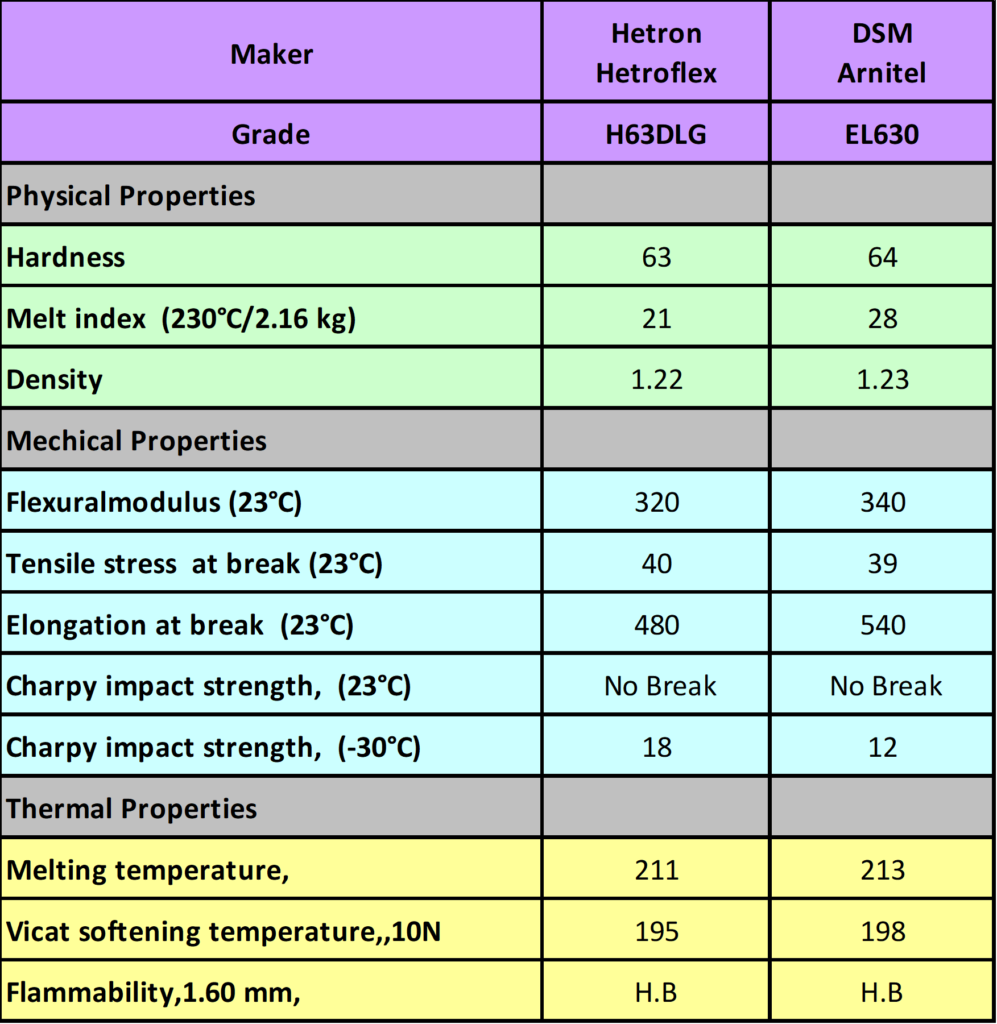
Materials such as Hetroflex® TPEE are widely used in industries requiring high reliability, flexibility, and strength.
What Is TPE?
TPE (Thermoplastic Elastomer) is a broad category of elastomeric materials that can be processed like plastics while maintaining rubber-like elasticity.
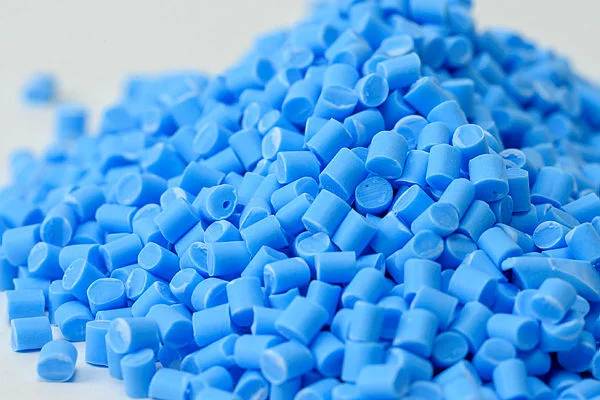
Common types of TPE include:
- SBS / SEBS (Styrenic elastomers)
- TPU (Thermoplastic polyurethane)
- TPO (Thermoplastic polyolefin)
- TPV (Thermoplastic vulcanizate)
Compared with engineering elastomers like TPEE, many general TPE materials are designed for cost efficiency and ease of processing rather than extreme mechanical performance.
TPEE vs TPE: Key Differences
The main difference between TPEE and general TPE materials lies in their mechanical properties, temperature resistance, and long-term durability.
1. Mechanical Strength
TPEE
- Higher tensile strength
- Excellent fatigue resistance
- Superior impact resistance
This makes TPEE ideal for mechanical components under continuous stress.
TPE
- Moderate strength
- Better suited for soft-touch or consumer products
2. Heat Resistance
TPEE
Typical service temperature:
- Up to 150°C
Maintains elasticity and strength at elevated temperatures.
TPE
Typical service temperature:
- 70–120°C
Performance can degrade faster under heat.
3. Chemical and Oil Resistance
TPEE
Excellent resistance to:
- oils
- fuels
- grease
- industrial chemicals
This property makes TPEE widely used in automotive and industrial equipment.
TPE
Chemical resistance varies depending on formulation but is generally lower than TPEE.
4. Elastic Recovery and Fatigue Resistance
TPEE exhibits excellent elastic recovery even after repeated deformation, making it ideal for dynamic parts such as:
- constant velocity joint boots
- conveyor components
- flexible couplings
- industrial springs
General TPE materials may lose elasticity more quickly under cyclic loads.
5. Cost Consideration
TPE
- Lower material cost
- Suitable for high-volume consumer products
TPEE
- Higher initial material cost
- Much longer service life
For industrial applications, TPEE often results in lower total lifecycle cost.
TPEE vs TPE Comparison Table
| Property | TPEE | TPE |
|---|---|---|
| Mechanical Strength | Very High | Medium |
| Heat Resistance | Up to ~150°C | 70–120°C |
| Oil Resistance | Excellent | Moderate |
| Fatigue Resistance | Outstanding | Average |
| Durability | Long-term | Moderate |
| Material Cost | Higher | Lower |
Typical Applications of TPEE
Because of its superior performance, TPEE is widely used in demanding industrial environments, including:
Automotive Industry
- CVJ boots
- air ducts
- suspension components
- cable protection systems
Industrial Equipment
- conveyor belts
- flexible couplings
- gears and bushings
- industrial rollers
Electrical & Electronics
- cable sheathing
- connectors
- protective housings
High-performance materials like Hetroflex® TPEE are specifically engineered to meet the reliability standards required by global manufacturers.

When Should You Choose TPEE Instead of TPE?
Manufacturers should consider TPEE when the application requires:
- High mechanical strength
- Long-term durability
- Heat resistance
- Chemical resistance
- Fatigue resistance
- Industrial-grade performance
Typical buyers include:
- automotive manufacturers
- industrial equipment manufacturers
- engineering component suppliers
- OEM product designers
In these cases, materials such as Hetroflex® TPEE offer a reliable solution for high-performance engineering applications.
Why Choose Hetroflex® TPEE?
Hetroflex® TPEE is designed to meet the needs of modern industrial manufacturing, offering:
- Stable global supply
- Consistent material quality
- Multiple hardness grades
- Excellent processability
- Custom material development support
Whether you are a manufacturer, material distributor, or product engineer, Hetroflex® TPEE provides a dependable material platform for demanding applications.
Conclusion
When comparing TPEE vs TPE, the best choice depends on your application requirements.
- TPE is ideal for cost-sensitive consumer products.
- TPEE is better suited for high-performance industrial applications requiring durability, strength, and reliability.
For industries where mechanical performance and long-term stability are critical, Hetroflex® TPEE stands out as a powerful engineering material.
If you are looking for high-quality TPEE materials for your manufacturing needs, Hetroflex® TPEE provides reliable solutions for global customers across multiple industries.
