

What Is TPEE? A Complete Guide to Thermoplastic Polyester Elastomer
8 February 2026
Why TPEE Is Ideal for Automotive CVJ Boots
1 March 2026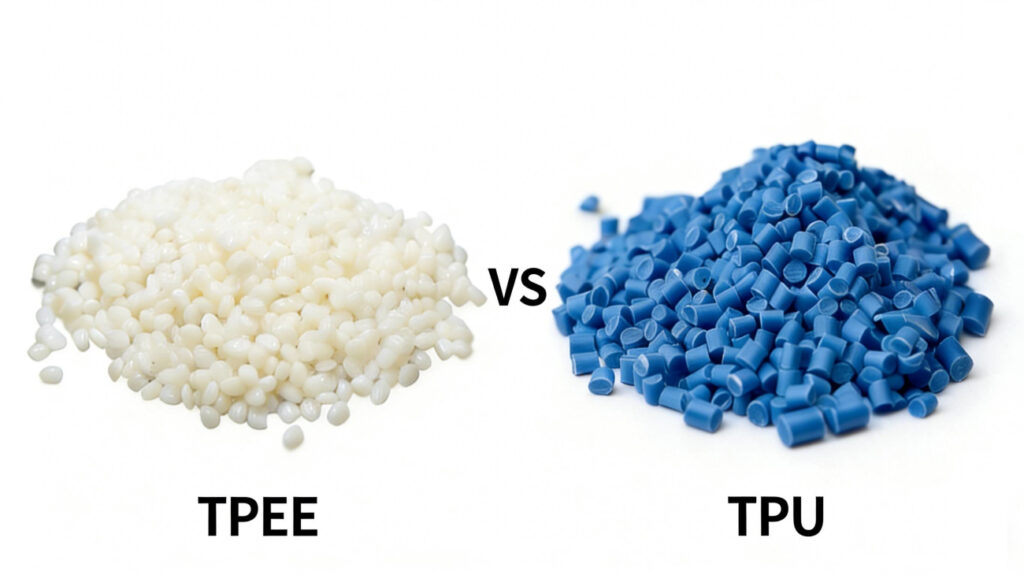
When selecting high-performance elastomers for industrial and engineering applications, manufacturers and OEM customers often compare TPEE material and TPU. Both are thermoplastic elastomers with excellent flexibility and durability, but they differ significantly in structure, performance, and application suitability.
In this guide, we break down the differences between TPEE vs TPU to help manufacturing plants, procurement engineers, and OEM buyers make informed decisions for global production projects.
What Is TPEE Material?
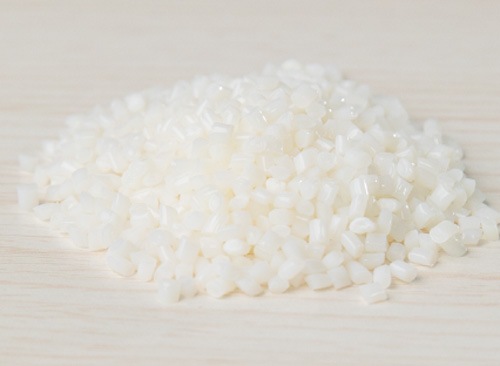
TPEE (Thermoplastic Polyester Elastomer) is a high-performance engineering elastomer composed of hard polyester segments and soft polyether segments. This unique block copolymer structure gives TPEE material a combination of strength, elasticity, chemical resistance, and long-term durability.
Key Characteristics of TPEE Material:
- Excellent fatigue resistance
- High mechanical strength
- Outstanding resilience and elasticity
- Superior resistance to oils, chemicals, and fuels
- Wide operating temperature range (-40°C to 150°C)
- Strong creep resistance
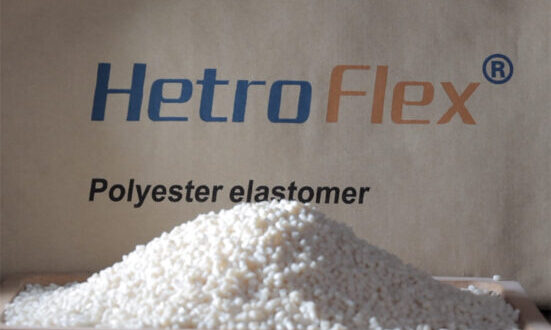
Hetroflex® TPEE provides globally certified TPEE material solutions engineered for demanding industrial environments, including automotive, electrical, and mechanical systems.
What Is TPU?
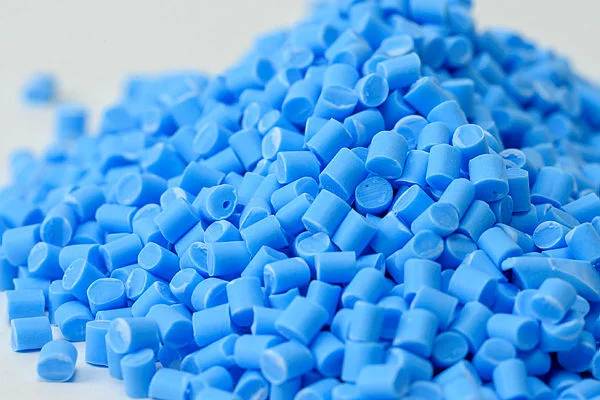
TPU (Thermoplastic Polyurethane) is a versatile elastomer known for its softness, abrasion resistance, and transparency. It is widely used in consumer products and light industrial applications.
Key Characteristics of TPU:
- Excellent abrasion resistance
- Good flexibility at low temperatures
- High transparency options
- Good tear strength
- Moderate chemical resistance
While TPU is highly versatile, it may not always meet the mechanical and thermal demands required in heavy-duty industrial environments.
TPEE vs TPU: Performance Comparison
| Property | TPEE Material | TPU |
|---|---|---|
| Mechanical Strength | Higher tensile and flexural strength | Moderate |
| Fatigue Resistance | Excellent (ideal for dynamic parts) | Good |
| Temperature Resistance | Up to 150°C | Typically up to 120°C |
| Chemical & Oil Resistance | Superior | Moderate to good |
| Elastic Recovery | Outstanding | Good |
| Processing | Injection, extrusion, blow molding | Injection, extrusion, film |
Application Differences: When to Choose TPEE Material?
Choose TPEE Material When You Need:
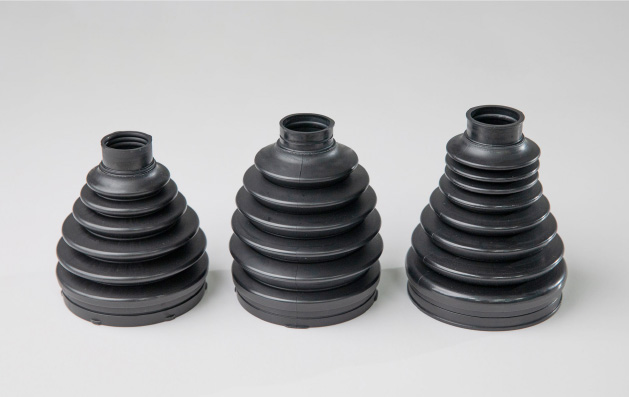
- Automotive CVJ boots and air ducts
- Industrial gears and flexible couplings
- Electrical connectors and cable sheathing
- High-load mechanical components
- Long-term dynamic fatigue resistance
TPEE material is particularly suitable for OEM automotive parts, industrial machinery, and precision engineering applications where strength and longevity are critical.
Choose TPU When You Need:
- Soft-touch consumer products
- Transparent tubing
- Wear-resistant films
- Footwear components
Cost Consideration: TPEE vs TPU
While TPU may offer a lower initial material cost in some cases, TPEE material often delivers superior lifecycle value due to:
- Longer service life
- Lower maintenance frequency
- Better dimensional stability
- Reduced part failure rates
For manufacturing factories and global OEM customers, total cost of ownership (TCO) should be evaluated rather than just raw material pricing.
Why Global Manufacturers Choose Hetroflex TPEE
Hetroflex® TPEE specializes in high-performance TPEE material development for global industrial clients. Our solutions support:
- Customized hardness grades
- Flame-retardant and reinforced options
- Automotive-grade formulations
- Consistent batch-to-batch quality
- Global supply chain support
We work closely with manufacturing plants, procurement engineers, and OEM brands to provide reliable elastomer solutions tailored to specific performance requirements.
Conclusion: TPEE vs TPU – Making the Right Material Choice
The difference between TPEE vs TPU lies in performance intensity and application demand. If your project requires high mechanical strength, superior fatigue resistance, and elevated temperature tolerance, TPEE material is typically the better long-term solution.
For industrial-grade performance and global supply reliability, Hetroflex® TPEE offers advanced TPEE material solutions designed to meet the evolving needs of modern manufacturing.
Need technical support or material selection guidance? Contact Hetroflex TPEE today to discuss your application requirements.
