

Unlocking the Power of Hetroflex BT Series TPEE for Automotive and Industrial Applications
1 December 2025
TPEE vs TPU: What Is the Difference?
19 February 2026In modern manufacturing, materials must combine durability, flexibility, and efficient processing while meeting sustainability and performance standards. One material that successfully meets these demands is Thermoplastic Polyester Elastomer, commonly known as TPEE.
This article explains what TPEE is, how it works, its key properties, processing methods, and why companies worldwide rely on advanced solutions from Hetroflex for high-performance elastomer applications.
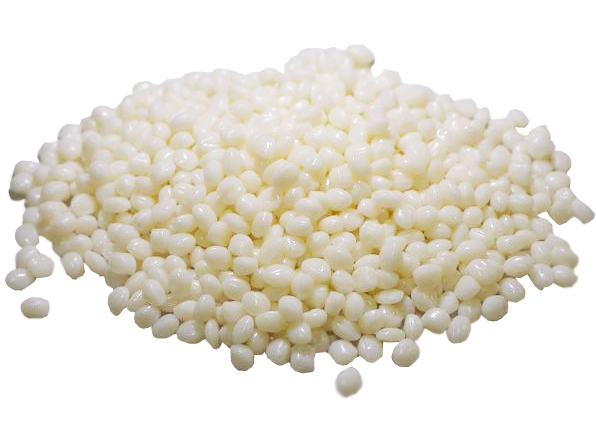
What Is TPEE?
TPEE (Thermoplastic Polyester Elastomer) is a high-performance engineering material that combines:
- The elasticity of rubber
- The strength of engineering plastics
- The processability of thermoplastics
Unlike traditional rubber, TPEE can be melted, reshaped, and recycled using standard plastic processing methods such as injection molding or extrusion. This makes it both cost-efficient and environmentally friendly.
Structure and Working Principle
TPEE consists of two molecular segments:
- Hard polyester segments – provide strength, chemical resistance, and heat stability.
- Soft polyether or polyester segments – provide flexibility and elasticity.
This dual structure allows TPEE to maintain flexibility while offering mechanical strength comparable to engineering plastics.
Key Properties of TPEE Materials
TPEE stands out due to a balance of performance characteristics rarely found in a single material.
1. Excellent Elastic Recovery
TPEE behaves similarly to rubber but resists permanent deformation better, even after repeated use.
2. Wide Temperature Resistance
TPEE maintains performance across a wide temperature range, often from –40°C up to 150°C, making it suitable for automotive and industrial environments.
3. High Mechanical Strength
It offers strong tensile strength, impact resistance, and fatigue performance for demanding applications.
4. Chemical and Oil Resistance
TPEE performs well when exposed to oils, fuels, and industrial chemicals.
5. Superior Wear and Fatigue Resistance
Ideal for parts experiencing continuous movement or vibration.
6. Processability
It can be processed using standard plastic equipment, enabling efficient mass production.
7. Recyclability
Unlike thermoset rubber, TPEE can be recycled and reused, supporting sustainability goals.
How Is TPEE Processed?
TPEE is compatible with common thermoplastic processing methods:
- Injection molding
- Extrusion
- Blow molding
- Overmolding
- Film and sheet extrusion
This versatility allows manufacturers to produce both rigid and flexible components efficiently.
Common Applications of TPEE
Because of its performance balance, TPEE is used across multiple industries.
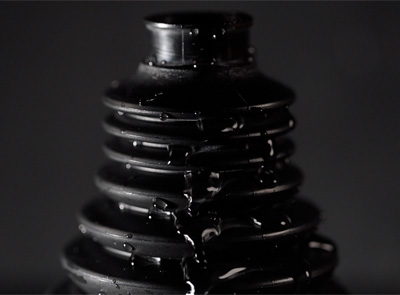
Automotive Industry
- CVJ boots
- Air ducts
- Cable protection
- Flexible tubing
- Vibration-resistant components
Electrical & Electronics
- Cable sheathing
- Wire insulation
- Connector components
Industrial Equipment
- Conveyor components
- Hoses and tubing
- Protective covers
Consumer Products
- Sporting goods
- Wearable equipment
- Flexible housings
Outdoor & Construction
- Waterproof membranes
- Flexible roofing materials
- Breathable protective films
Why TPEE Is Replacing Traditional Materials
Manufacturers increasingly replace rubber, PVC, and other plastics with TPEE due to:
- Lower processing cost
- Higher durability
- Weight reduction
- Environmental compliance
- Improved recyclability
- Better design flexibility
This transition supports both performance and sustainability goals.
Hetroflex: Advanced TPEE Material Solutions
As industries demand more specialized material solutions, Hetroflex provides a comprehensive portfolio of high-performance TPEE grades engineered for automotive, electrical, industrial, and sustainable applications.
Hetroflex materials are designed to deliver:
- Stable processing performance
- High mechanical reliability
- Customizable formulations
- Environmentally conscious material options
- Global supply support
Manufacturers seeking performance improvements or material optimization often collaborate with Hetroflex for tailored elastomer solutions.
Conclusion
TPEE has become one of the most versatile materials in modern manufacturing, combining rubber-like elasticity with plastic processing efficiency. Its strength, durability, recyclability, and flexibility make it a preferred choice in automotive, industrial, and technical applications.
With advanced material development and application expertise, Hetroflex continues to support manufacturers worldwide in achieving higher performance and sustainability through innovative TPEE solutions.
