

TPEE Applications in Footwear Industry: Unleashing Durability, Comfort, and Innovation with Hetroflex TPEE
28 March 2026
TPEE Material: Properties, Applications, and How to Choose the Right Grade
11 April 2026TPEE material (Thermoplastic Polyester Elastomer) is widely used in industries such as automotive, electronics, industrial components, and sports equipment due to its excellent elasticity, chemical resistance, and mechanical strength.
For manufacturers and engineers, mastering the injection molding process of TPEE is critical to achieving consistent product quality, reducing defects, and improving production efficiency.
In this guide, Hetroflex TPEE, a global supplier of high-performance TPEE materials, provides a practical and technical overview of how to process TPEE effectively in injection molding.
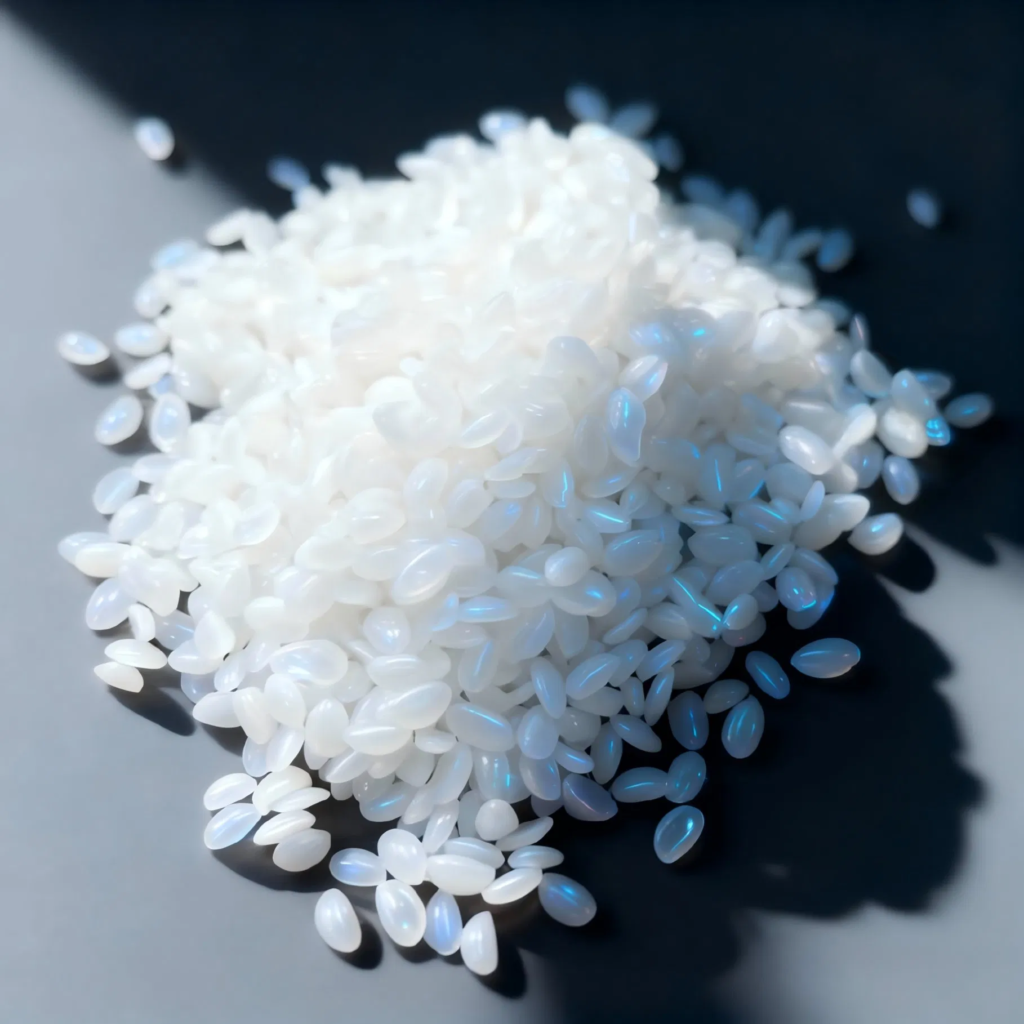
What is TPEE Material?
TPEE is a block copolymer combining:
- Hard segments (polyester) → strength & heat resistance
- Soft segments (polyether/polyester) → flexibility & elasticity
Key Advantages of TPEE Material
- High fatigue resistance
- Excellent low-temperature flexibility
- Strong chemical & oil resistance
- Good processability in injection molding
These properties make TPEE ideal for:
- Automotive parts (CVJ boots, air ducts)
- Industrial seals & gears
- Consumer goods & sports equipment

Key Considerations Before Injection Molding TPEE
1. Material Drying (Critical Step)
TPEE is hygroscopic, meaning it absorbs moisture from the air. Improper drying can cause:
- Surface defects (silver streaks)
- Reduced mechanical strength
- Hydrolysis degradation
Recommended Drying Conditions:
- Temperature: 100–120°C
- Time: 3–5 hours
- Moisture content: < 0.02%
👉 Tip from Hetroflex TPEE: Always use a dehumidifying dryer for consistent results.
2. Injection Molding Temperature Settings
Proper temperature control ensures optimal melt flow and part quality.
| Parameter | Recommended Range |
|---|---|
| Barrel Temperature | 200–260°C |
| Nozzle Temperature | 210–250°C |
| Mold Temperature | 30–60°C |
⚠️ Avoid overheating (>270°C), as it may degrade the TPEE material.
3. Injection Pressure & Speed
- Injection Pressure: Medium to high
- Injection Speed: Medium to fast
TPEE has good flow properties, but:
- Too slow → flow marks
- Too fast → burn marks or flashing
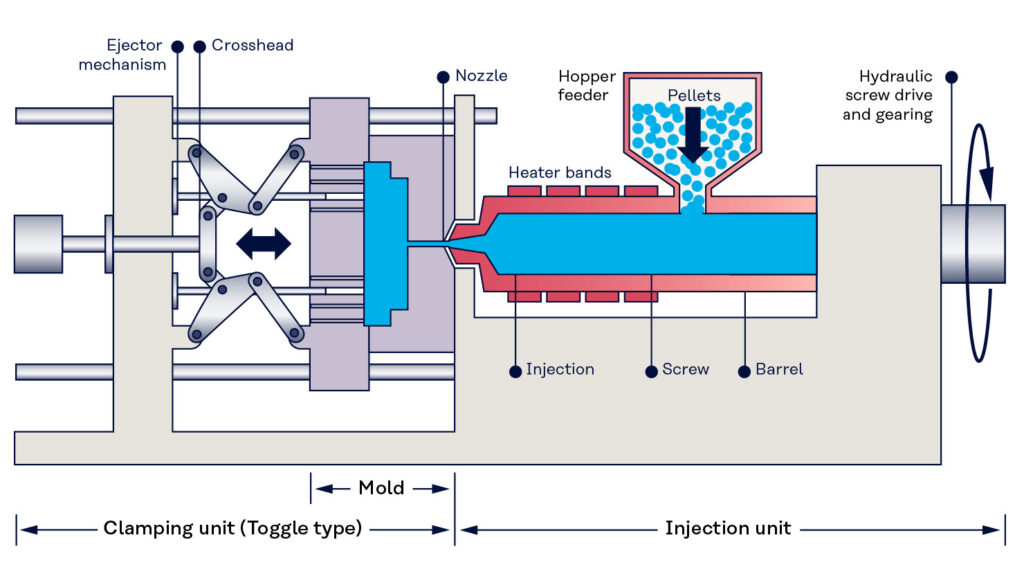
4. Mold Design Considerations
To fully leverage TPEE material performance:
- Use smooth flow channels to reduce shear stress
- Ensure adequate venting to avoid trapped gas
- Gate design:
- Prefer edge gates or submarine gates
- Maintain uniform wall thickness to prevent shrinkage
Common Injection Molding Defects & Solutions
| Defect | Cause | Solution |
|---|---|---|
| Silver streaks | Moisture | Improve drying |
| Warpage | Uneven cooling | Optimize mold temperature |
| Flashing | Excess pressure | Reduce injection pressure |
| Poor surface finish | Low mold temp | Increase mold temperature |
Processing Tips from Hetroflex TPEE
To achieve the best performance:
✅ Use Proper Screw Design
- Low compression ratio (2.5:1–3:1)
- مناسب for elastomer processing
✅ Control Residence Time
- Avoid long residence time in barrel
- Prevent thermal degradation
✅ Regrind Usage
- Can use 10–25% recycled material
- Ensure it is dry and clean
Applications of Injection-Molded TPEE
With proper processing, TPEE material delivers excellent performance in:
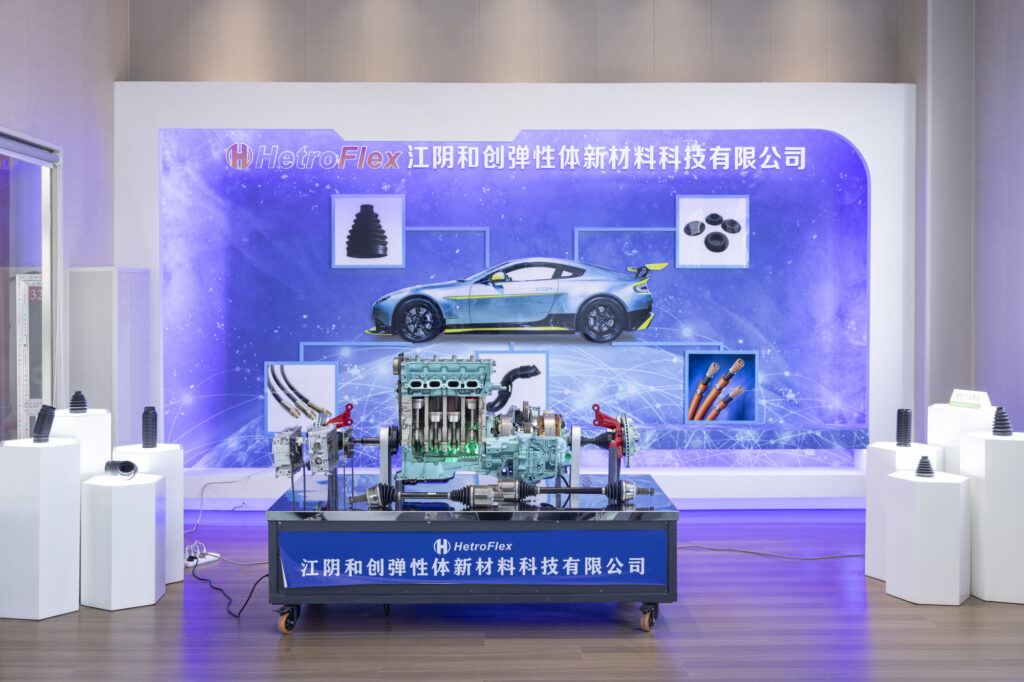
- Automotive: Air ducts, bellows, connectors
- Electronics: Cable jackets, connectors
- Industrial: Gears, seals, flexible couplings
- Sports & Consumer Goods: Shoe components, wearable parts
Why Choose Hetroflex TPEE?
As a trusted global supplier, Hetroflex TPEE offers:
- Stable and consistent material quality
- Wide hardness range for customization
- Strong technical support for injection molding
- Global supply capability for manufacturers and distributors
👉 Whether you are a factory, distributor, or OEM buyer, Hetroflex provides tailored solutions to optimize your production performance.
Conclusion
Processing TPEE material in injection molding requires careful control of drying, temperature, pressure, and mold design. By following the best practices outlined in this guide, manufacturers can:
- Improve product quality
- Reduce defects
- Increase production efficiency
Partnering with an experienced supplier like Hetroflex TPEE ensures not only high-quality materials but also expert technical support for your global manufacturing needs.
Looking for high-performance TPEE material for your next project?
Contact Hetroflex TPEE today for customized solutions, samples, and technical consultation.
