
TPEE Material: Properties, Applications, and How to Choose the Right Grade
11 April 2026
TPEE Material for Automotive CVJ Boots
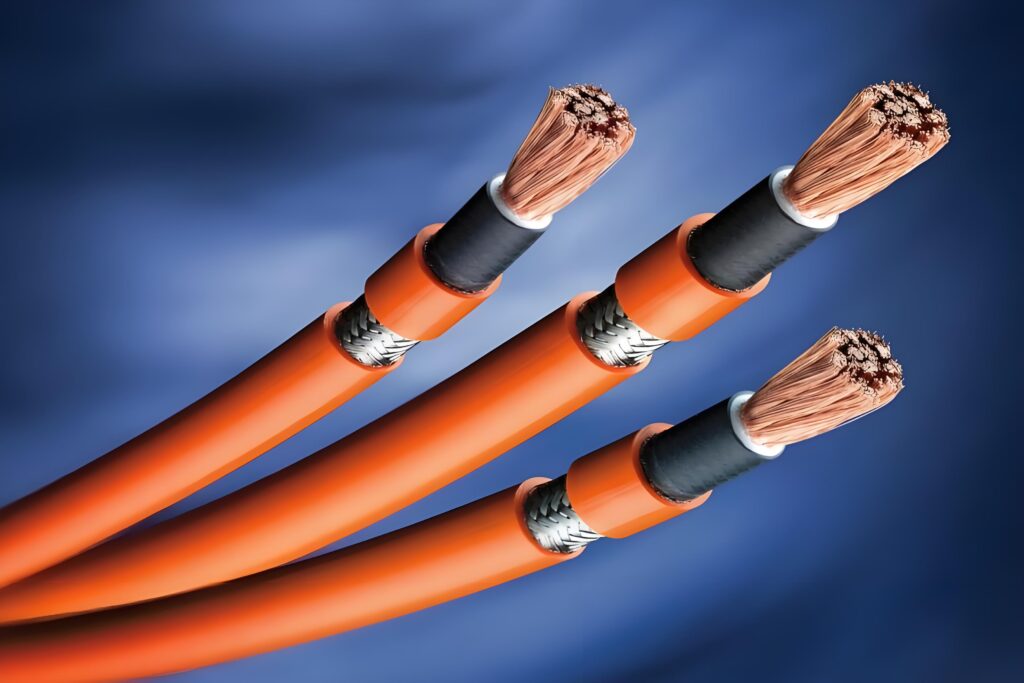
25 April 2026In today’s high-performance cable industry—spanning EV charging systems, industrial robotics, telecommunications, and offshore applications—material selection is no longer just about cost. It’s about durability, flexibility, safety, and long-term reliability.
Among advanced polymer materials, TPEE material (thermoplastic polyester elastomer) has emerged as a top choice for premium cable applications. Combining the elasticity of rubber with the processing advantages of thermoplastics, TPEE offers a unique balance of mechanical strength and environmental resistance.
This article explores why TPEE is widely used in high-end cables, diving into its core properties, application advantages, and how to choose the right TPEE supplier for your business.
What Is TPEE Material?
TPEE (thermoplastic polyester elastomer) is a block copolymer composed of hard (polyester) and soft (polyether or polyester) segments. This structure gives it:
- Excellent elasticity
- High mechanical strength
- Superior chemical and thermal resistance
Compared to traditional cable materials like PVC, TPU, or rubber, TPEE material provides a more advanced solution for demanding environments.
Key TPEE Properties
Understanding TPEE properties is crucial to evaluating its role in cable design:
- Wide temperature resistance (-40°C to 150°C)
- Outstanding fatigue and flex resistance
- High tensile strength and tear resistance
- Excellent UV and weather resistance
- Good electrical insulation performance
- Resistance to oils, chemicals, and hydrolysis
These properties make TPEE especially suitable for dynamic, outdoor, and harsh-environment cables.
Why TPEE Material Is Ideal for High-End Cables
1. Superior Flexibility and Fatigue Resistance
High-end cables—such as robotic cables or drag chain cables—undergo constant bending, twisting, and mechanical stress.
TPEE material offers:
- Long flex life (millions of cycles)
- Resistance to cracking under repeated stress
- Stable mechanical performance over time
This makes it far superior to PVC and even many TPU grades in dynamic applications.
2. Wide Temperature Performance
Cables used in extreme environments (e.g., EV charging, industrial automation, outdoor telecom) must withstand both high and low temperatures.
TPEE provides:
- Low-temperature flexibility (no embrittlement)
- High-temperature stability (up to 150°C continuous use)
This ensures reliable performance in both cold climates and high-heat industrial settings.
3. Excellent Chemical and Oil Resistance
Industrial and automotive cables are often exposed to:
- Oils and lubricants
- Fuels and solvents
- Harsh cleaning chemicals
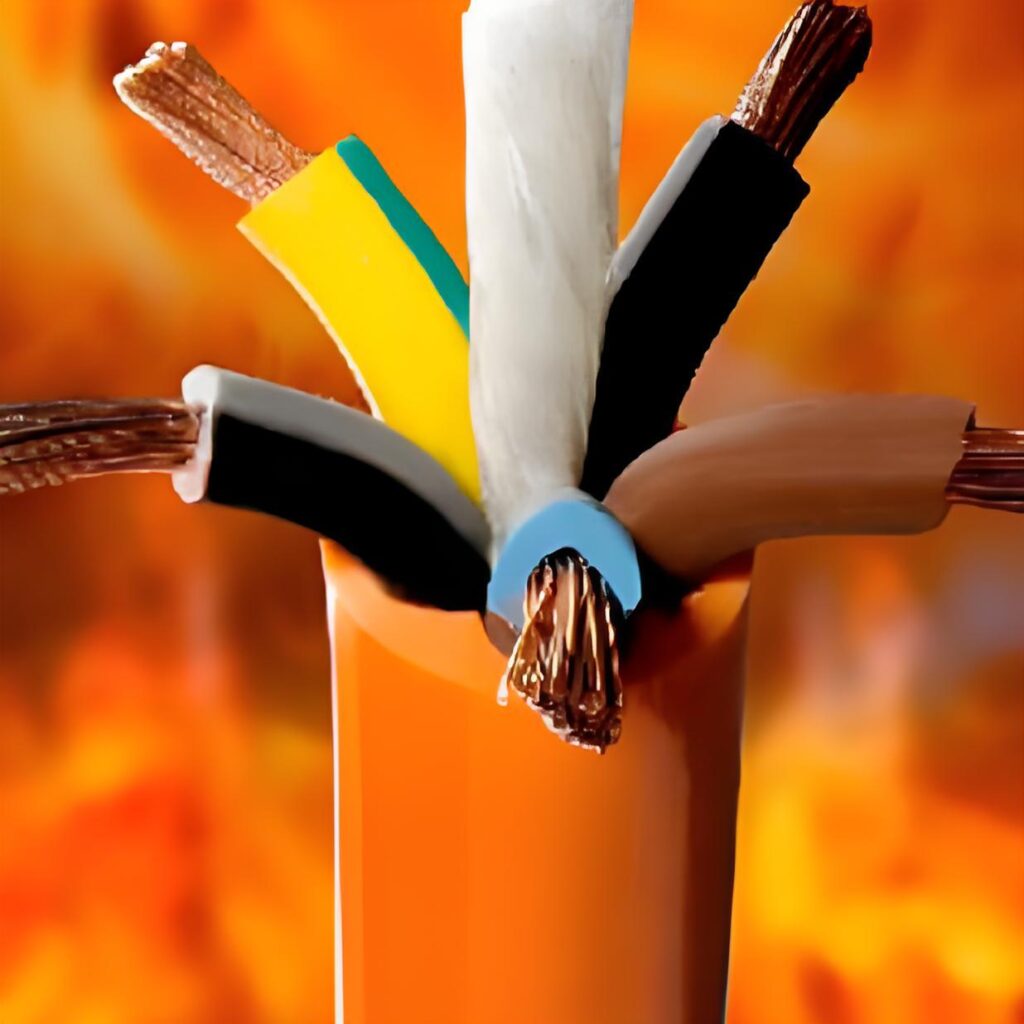
TPEE material maintains structural integrity and insulation performance even in chemically aggressive environments, making it ideal for:
- Automotive wiring harnesses
- Industrial machinery cables
- Oil & gas applications
4. Outstanding Weather and UV Resistance
Outdoor cables must resist:
- UV radiation
- Moisture and humidity
- Ozone exposure
TPEE’s inherent resistance to weathering ensures:
- Longer service life
- Reduced maintenance costs
- Consistent performance over time
5. Excellent Electrical Insulation
For high-end cable applications, electrical performance is non-negotiable.
TPEE offers:
- Stable dielectric properties
- Reliable insulation under thermal stress
- Low signal interference
This makes it suitable for:
- Data cables
- Communication cables
- High-voltage applications
6. Lightweight and Design Flexibility
Compared to traditional rubber materials, TPEE is lighter and easier to process, enabling:
- Reduced cable weight
- Improved installation efficiency
- More compact cable designs
For industries like EV and robotics, weight reduction directly contributes to performance and energy efficiency.
Typical Applications of TPEE in High-End Cables
TPEE material is widely used across various premium cable segments:
Industrial & Robotics
- Drag chain cables
- Robotic arm cables
- Automation systems
Automotive & EV
- EV charging cables
- Battery connection cables
- Sensor and control wiring
Energy & Infrastructure
- Solar cables
- Wind power cables
- Offshore cables
Telecommunications
- Fiber optic cable sheathing
- High-speed data cables
TPEE vs Other Cable Materials
| Property | TPEE Material | TPU | PVC | Rubber |
|---|---|---|---|---|
| Flex Fatigue | Excellent | Good | Poor | Good |
| Temperature Range | Wide | Medium | Limited | Medium |
| Chemical Resistance | High | Medium | Low | Medium |
| UV Resistance | Excellent | Good | Poor | Medium |
| Processability | Excellent | Good | Excellent | Poor |
Conclusion: TPEE offers the best overall balance for high-end cable applications.
Choosing the Right TPEE Supplier
Selecting a reliable TPEE supplier is critical to ensuring consistent product performance.
Key Considerations:
- Material consistency and quality control
- Custom formulation capabilities
- Technical support and application expertise
- Compliance with international standards (RoHS, REACH, UL)
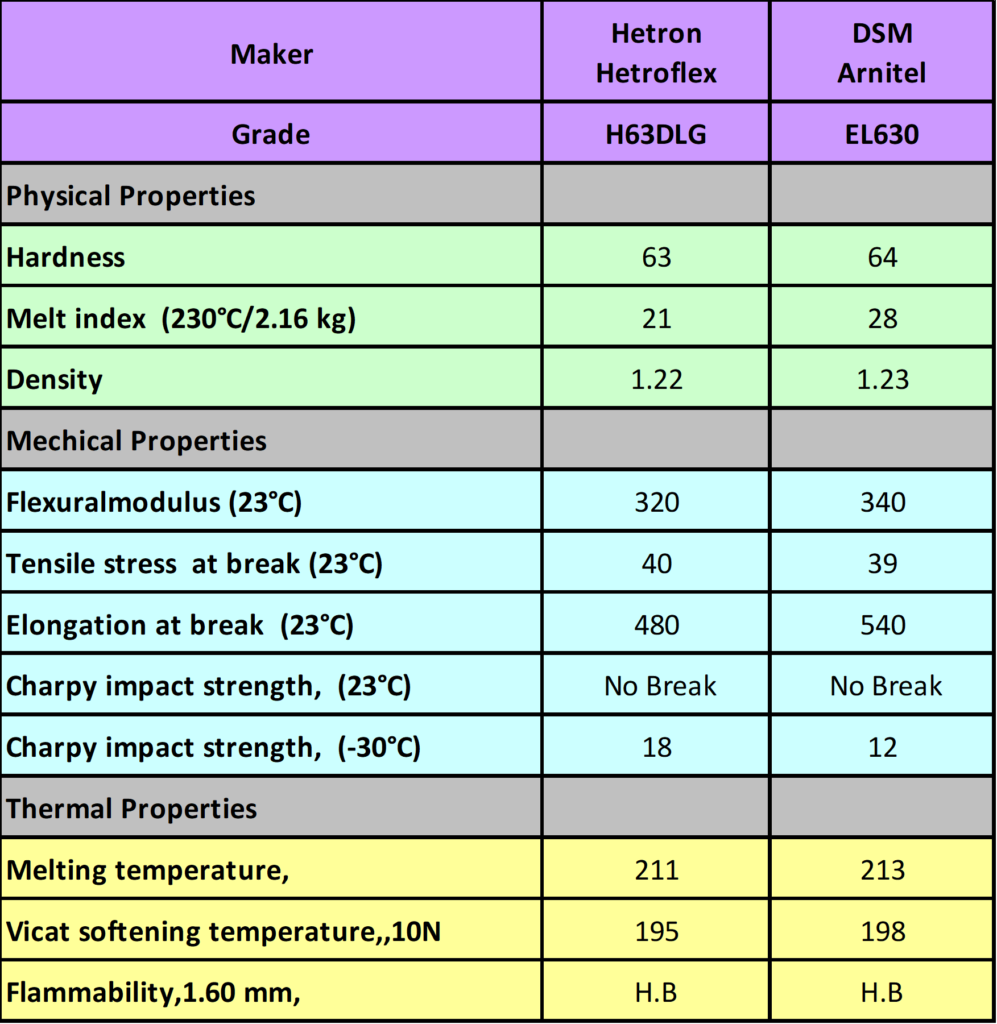
Recommended Partner: Hetroflex TPEE
Hetroflex TPEE is a trusted manufacturer specializing in high-performance TPEE material solutions for cable applications.
Key advantages include:
- Tailored grades for cable extrusion
- Excellent hydrolysis-resistant formulations
- Proven performance in industrial and EV cable systems
- Strong R&D and customization support
FAQ: TPEE Material in Cable Applications
1. What makes TPEE better than PVC for cables?
TPEE material offers significantly better flexibility, temperature resistance, and durability compared to PVC, making it ideal for high-end and dynamic applications.
2. Is TPEE suitable for outdoor cables?
Yes. Thanks to its UV, weather, and moisture resistance, TPEE is highly suitable for outdoor and harsh-environment cables.
3. Can TPEE be used in EV charging cables?
Absolutely. TPEE’s high ताप度 resistance, flexibility, and chemical resistance make it an excellent choice for EV charging systems.
4. Is TPEE recyclable?
Yes. As a thermoplastic elastomer, TPEE can be reprocessed and recycled, making it a more sustainable option compared to thermoset rubber.
5. How do I choose the right TPEE grade?
It depends on your application requirements, including:
- Temperature range
- Flexibility needs
- Chemical exposure
- Electrical performance
Working with an experienced TPEE supplier like Hetroflex ensures optimal material selection.
Internal Linking Suggestions
To strengthen SEO and user experience, link this article to:
- “What Is TPEE Material? Complete Guide”
- “TPEE vs TPU: Key Differences Explained”
- “How to Process TPEE in Cable Extrusion”
- “Is TPEE Recyclable?”
- Product pages: TPEE cable-grade materials
Conclusion
As cable applications become more demanding, material performance becomes a key differentiator. TPEE material (thermoplastic polyester elastomer) stands out as a superior choice for high-end cables due to its exceptional flexibility, durability, and environmental resistance.
For engineers, product managers, and procurement professionals, adopting TPEE is not just a material upgrade—it’s a long-term performance investment.
Get a Quote for TPEE Material
Looking for a reliable TPEE supplier for your cable applications?
Contact Hetroflex TPEE today to:
- Request free samples
- Get technical datasheets
- Receive customized material recommendations
👉 Start optimizing your cable performance with advanced TPEE solutions.
