
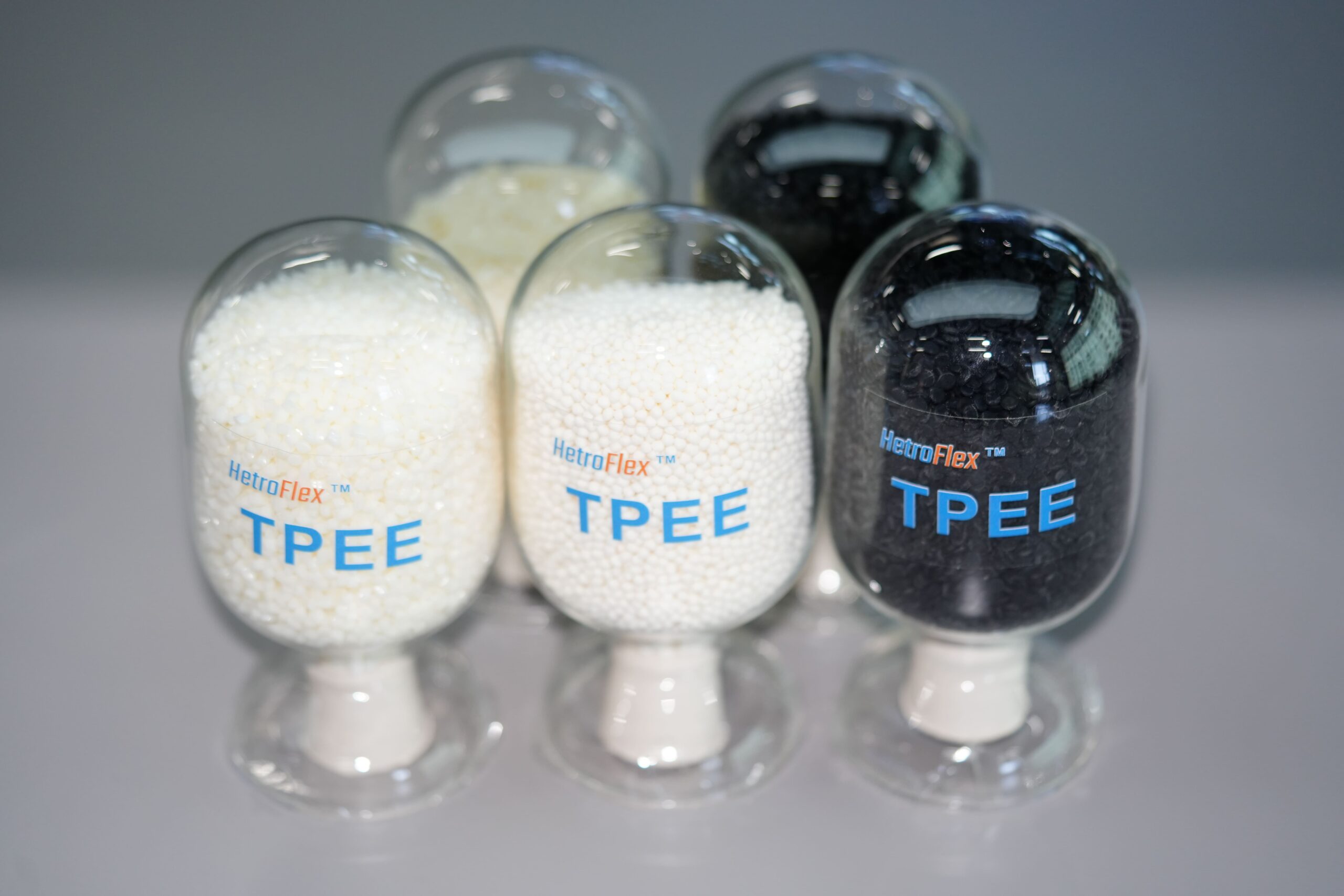
Replacing Rubber with TPEE in Auto Parts: Why Manufacturers Are Making the Switch
17 May 2026How to Choose the Right TPEE Hardness for Your Industrial Applications
30 May 2026In today’s rapidly evolving industrial landscape, cables are no longer used only for simple power transmission. Modern industries such as automotive manufacturing, robotics, renewable energy, telecommunications, rail transit, and industrial automation require cables that can withstand extreme environments while maintaining long-term reliability.
As a result, selecting the right cable sheathing material has become a critical engineering decision for manufacturers, procurement specialists, and cable designers worldwide.
Among various advanced elastomers, TPEE material (Thermoplastic Polyester Elastomer) has emerged as one of the best materials for high-performance cable sheathing applications due to its excellent balance of flexibility, mechanical strength, chemical resistance, and durability.
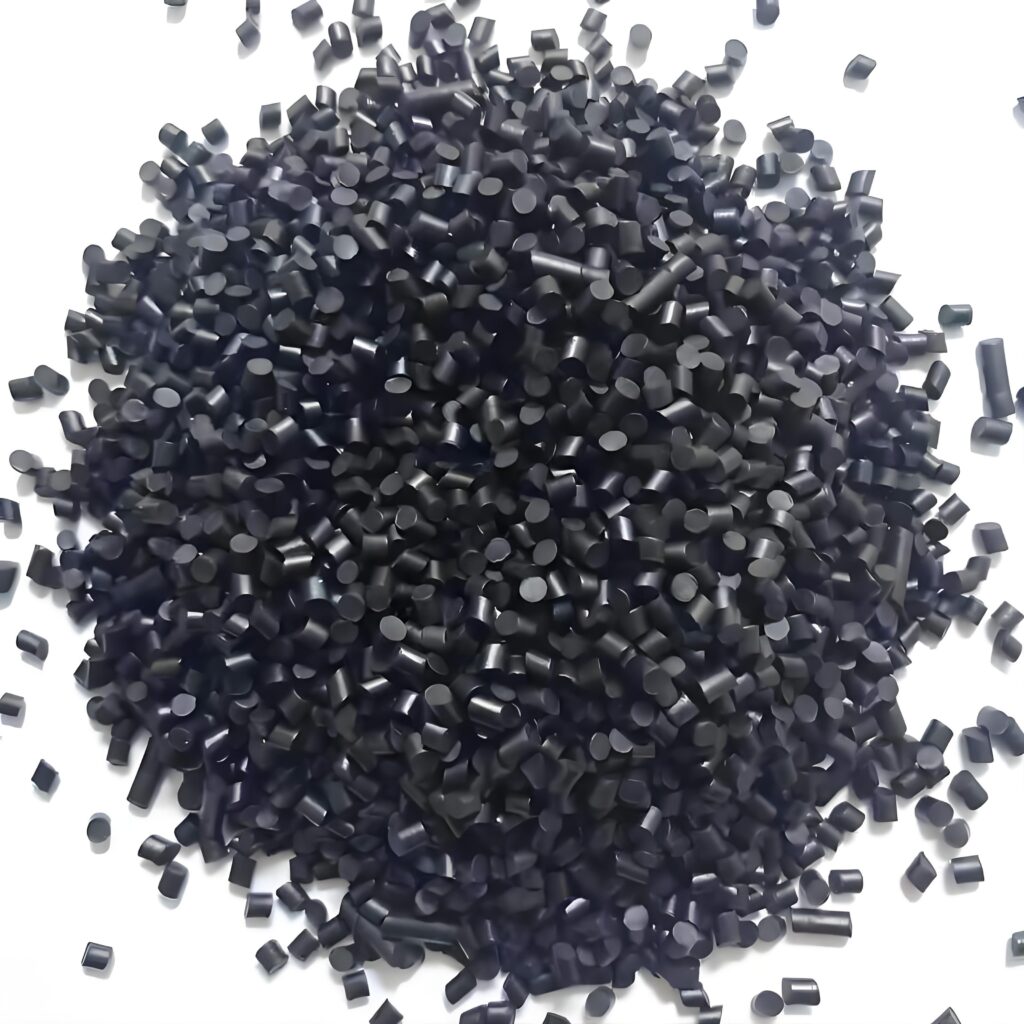
In this article, we will explore:
- What cable sheathing materials are commonly used
- The advantages and disadvantages of each material
- Why TPEE material is gaining popularity globally
- How Hetroflex TPEE provides customized cable sheathing solutions for industrial applications
What Is Cable Sheathing?
Cable sheathing refers to the outer protective layer surrounding electrical or communication cables. Its primary purpose is to protect internal conductors from:
- Mechanical abrasion
- UV exposure
- Moisture
- Chemicals and oils
- Extreme temperatures
- Flame hazards
- Repeated bending and flexing
The performance of the cable sheath directly impacts the cable’s safety, lifespan, and operational reliability.
Therefore, choosing the best cable sheathing material is essential for manufacturers and industrial users.
Common Materials Used for Cable Sheathing
Several materials are widely used in cable manufacturing today. Each has its own strengths and limitations depending on the application environment.
1. PVC (Polyvinyl Chloride)
PVC has traditionally been one of the most common cable sheath materials because of its low cost and easy processing.
Advantages:
- Economical
- Good flame retardancy
- Easy to process
Limitations:
- Poor low-temperature flexibility
- Limited UV resistance
- Environmental concerns due to halogen content
- Reduced durability under dynamic bending
PVC is suitable for standard indoor applications but less ideal for demanding industrial environments.
2. TPU (Thermoplastic Polyurethane)
TPU is known for its flexibility and abrasion resistance.
Advantages:
- Good wear resistance
- Excellent flexibility
- Attractive surface finish
Limitations:
- Hydrolysis sensitivity
- Higher cost
- Limited heat resistance compared to TPEE material
TPU is often used in consumer electronics and flexible cables but may face durability challenges in harsh outdoor conditions.
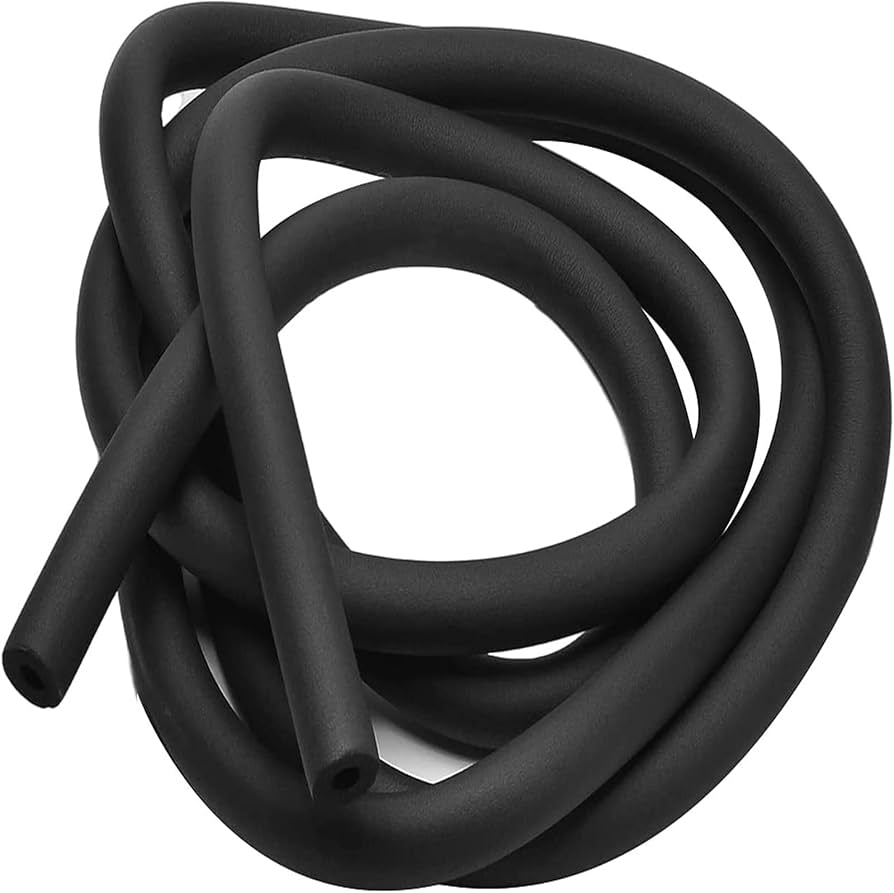
3. Rubber
Rubber materials such as EPDM and neoprene are commonly used in heavy-duty cables.
Advantages:
- Good flexibility
- Excellent weather resistance
- Strong insulation performance
Limitations:
- Difficult processing
- Higher production costs
- Heavier weight
- Limited recyclability
Traditional rubber still plays an important role in some industrial sectors but is gradually being replaced by advanced thermoplastic elastomers.
4. TPEE Material (Thermoplastic Polyester Elastomer)
TPEE material combines the processing advantages of thermoplastics with the elasticity of rubber, making it one of the most advanced materials for cable sheathing.
Advantages of TPEE Material:
- Outstanding flexibility
- Excellent fatigue resistance
- Superior abrasion resistance
- Wide operating temperature range
- Excellent UV and weather resistance
- Strong chemical and oil resistance
- Lightweight
- Recyclable and environmentally friendly
- Long service life
Because of these advantages, TPEE material is increasingly used in high-performance cable systems worldwide.
Why TPEE Material Is Ideal for Cable Sheathing
Exceptional Flexibility for Dynamic Applications
Modern industrial cables are frequently exposed to continuous bending, twisting, and movement. Applications such as robotic arms, drag chains, and automated machinery require cable sheathing materials that can survive millions of flex cycles.
TPEE material offers excellent elastic recovery and flex fatigue resistance, significantly extending cable lifespan.
This makes it ideal for:
- Robotics cables
- Industrial automation cables
- Charging cables
- Data transmission cables
- EV high-voltage cables
Superior Weather and UV Resistance
Outdoor cables are exposed to sunlight, moisture, rain, and temperature fluctuations. Inferior materials often crack or degrade over time.
TPEE material demonstrates outstanding:
- UV resistance
- Hydrolysis resistance
- Ozone resistance
- Weatherability
This makes it highly suitable for:
- Solar cables
- Outdoor communication cables
- Marine cables
- Renewable energy systems
High Mechanical Strength and Abrasion Resistance
Industrial environments can be extremely demanding. Cable jackets may encounter:
- Friction
- Compression
- Impacts
- Repeated dragging
TPEE material provides excellent tensile strength and wear resistance, helping reduce maintenance costs and equipment downtime.
Excellent Chemical and Oil Resistance
Many industrial applications involve exposure to:
- Industrial lubricants
- Fuels
- Solvents
- Hydraulic oils
Compared with many traditional elastomers, TPEE material maintains stable performance even in chemically aggressive environments.
This is particularly important for:
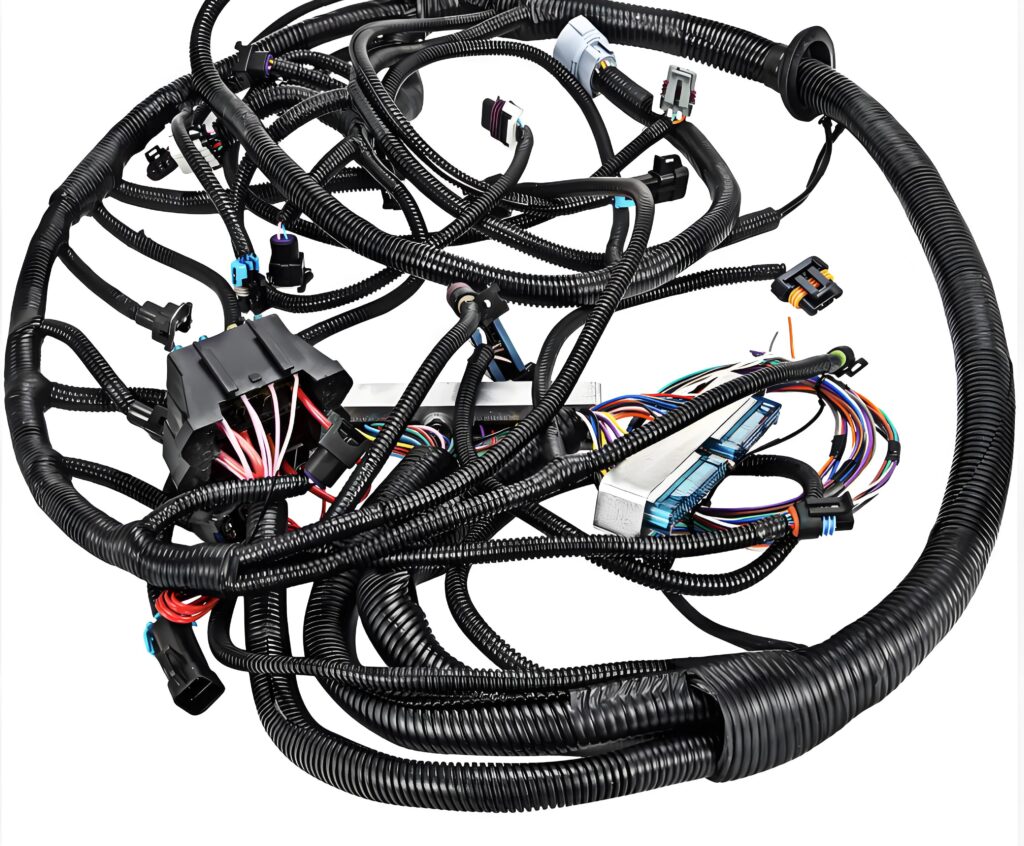
- Automotive wiring harnesses
- Industrial machinery cables
- Oil and gas applications
TPEE Material vs Other Cable Sheathing Materials
| Property | PVC | TPU | Rubber | TPEE Material |
|---|---|---|---|---|
| Flexibility | Moderate | Excellent | Good | Excellent |
| Abrasion Resistance | Moderate | Good | Good | Excellent |
| UV Resistance | Moderate | Good | Good | Excellent |
| Chemical Resistance | Moderate | Moderate | Good | Excellent |
| Temperature Resistance | Moderate | Good | Good | Excellent |
| Recyclability | Limited | Moderate | Poor | Excellent |
| Processing Efficiency | Excellent | Good | Moderate | Excellent |
| Service Life | Moderate | Good | Good | Excellent |
From the comparison above, TPEE material offers one of the best overall performance balances for demanding cable applications.
Industries Using TPEE Cable Sheathing
Today, TPEE material is widely used across multiple industries, including:
Automotive Industry
- EV charging cables
- Automotive wiring systems
- Sensor cables
Industrial Automation
- Robotic cables
- Servo motor cables
- Drag chain cables
Renewable Energy
- Solar power cables
- Wind turbine cables
Telecommunications
- Fiber optic protection
- Data transmission cables
Consumer Electronics
- Flexible charging cables
- High-end electronic accessories
As industries continue moving toward higher automation and electrification, demand for advanced cable sheath materials continues to grow rapidly.
Why Choose Hetroflex TPEE for Cable Sheathing Solutions?
As a professional TPEE material manufacturer, Hetroflex TPEE focuses on delivering high-performance thermoplastic polyester elastomer solutions for global customers.
Hetroflex TPEE provides:
- Customized TPEE material formulations
- Stable product quality
- Global supply capability
- Technical support for cable manufacturers
- Tailored solutions for demanding applications
Whether you are a cable manufacturer, raw material distributor, procurement engineer, or industrial OEM customer, Hetroflex TPEE can help optimize your cable products for performance, durability, and long-term reliability.
Future Trends: Sustainable and High-Performance Cable Materials
Global industries are increasingly demanding:
- Longer cable lifespan
- Lightweight materials
- Sustainable manufacturing
- Improved recyclability
- Higher energy efficiency
Traditional materials often struggle to meet these evolving requirements.
TPEE material aligns perfectly with modern industry trends by offering:
- Recyclability
- Reduced maintenance costs
- Enhanced durability
- Improved processing efficiency
As a result, TPEE is expected to become one of the most important materials for next-generation cable sheathing technologies.
Conclusion
Selecting the best material for cable sheathing is crucial for ensuring cable reliability, safety, and long-term performance.
While traditional materials such as PVC, TPU, and rubber still have their applications, TPEE material stands out as a superior solution for modern high-performance cables thanks to its exceptional flexibility, durability, weather resistance, and chemical stability.
For manufacturers and engineers seeking advanced cable protection solutions, Hetroflex TPEE offers customized, high-quality TPEE compounds designed for demanding industrial applications worldwide.
As cable technology continues evolving, TPEE material is poised to play a major role in the future of durable and sustainable cable systems.
