
Best Alternative to Rubber Materials: Why Hetroflex® TPEE Is the Engineering Upgrade You Need
13 June 2026
Best TPEE Material for Cable Sheathing: Why Extrusion Grade TPEE Outperforms TPU and Rubber
13 July 2026As sustainability becomes a top priority across industries, manufacturers are increasingly evaluating whether the materials they use can support a circular economy. One common question among engineers, procurement specialists, and material distributors is: Can TPEE be recycled?
The short answer is yes. TPEE material (Thermoplastic Polyester Elastomer) is recyclable and offers significant environmental and economic advantages over conventional thermoset rubbers. Thanks to its thermoplastic nature, TPEE can be reprocessed and reused multiple times while maintaining excellent mechanical performance under controlled recycling conditions.
In this guide, we’ll explore how TPEE material is recycled, its sustainability benefits, recycling limitations, and why Hetroflex TPEE is an ideal solution for manufacturers seeking both high performance and environmental responsibility.
What Is TPEE Material?
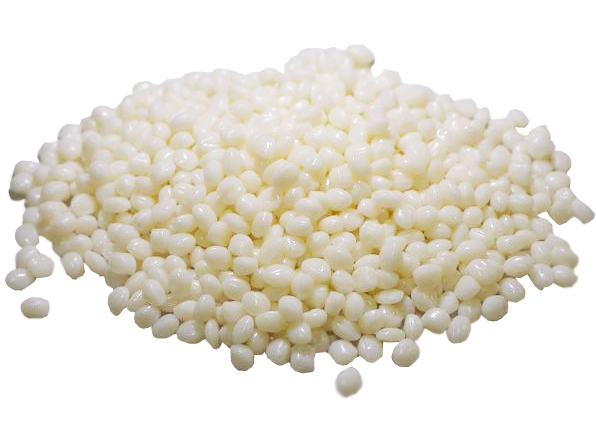
TPEE (Thermoplastic Polyester Elastomer) is a high-performance engineering thermoplastic that combines the elasticity of rubber with the strength and processability of engineering plastics.
It consists of two molecular segments:
- Hard polyester segments providing strength and heat resistance
- Soft polyether or polyester segments delivering flexibility and resilience
This unique molecular structure allows TPEE material to perform exceptionally in demanding applications requiring:
- High fatigue resistance
- Chemical resistance
- Oil and grease resistance
- Excellent low-temperature flexibility
- Long-term durability
- Easy thermoplastic processing
Common applications include:
- Automotive components
- Industrial machinery
- Cable and wire sheathing
- Medical devices
- Consumer electronics
- Sporting goods
- Flexible tubing
- Conveyor systems
Is TPEE Material Recyclable?
The answer is absolutely yes.
Unlike thermoset rubber, which permanently cures during manufacturing and cannot be melted again, TPEE material is a thermoplastic elastomer. This means it softens when heated and solidifies when cooled without undergoing irreversible chemical changes.
As a result, production scrap, runners, rejected molded parts, and even post-industrial waste can often be recycled and reprocessed into new products.
This characteristic makes TPEE material an environmentally friendly alternative for manufacturers pursuing sustainability goals.
Why Is TPEE Easier to Recycle Than Rubber?
Traditional rubber products undergo vulcanization, creating permanent cross-linked molecular networks.
Once vulcanized, rubber:
- Cannot be melted
- Cannot be remolded
- Requires energy-intensive grinding or chemical recovery
- Often ends up in landfills
By contrast, TPEE material remains thermoplastic throughout its service life.
Advantages include:
- Remeltable
- Reprocessable
- Reusable in manufacturing
- Lower material waste
- Reduced carbon footprint
- Better production efficiency
How Is TPEE Material Recycled?
The recycling process is relatively straightforward and similar to other engineering thermoplastics.
1. Collection
Manufacturing waste is collected, including:
- Injection molding runners
- Extrusion scrap
- Trim waste
- Defective products
2. Sorting
Materials are separated by:
- Grade
- Color
- Contamination level
- Additive package
Proper sorting ensures stable recycled material quality.
3. Grinding
The collected material is shredded into small flakes or pellets.
4. Cleaning
If necessary, contaminants such as oils, dust, or foreign plastics are removed before processing.
5. Reprocessing
The clean recycled TPEE material is melted and pelletized for reuse in:
- Injection molding
- Extrusion
- Blow molding
- Overmolding
6. Quality Testing
Manufacturers typically verify:
- Melt Flow Index (MFI)
- Tensile strength
- Elongation
- Hardness
- Color consistency
- Moisture content
Quality control ensures recycled materials continue meeting application requirements.
Can Recycled TPEE Maintain Performance?
Yes—but it depends on the recycling process and application.
When processed correctly, recycled TPEE material retains much of its:
- Elasticity
- Tensile strength
- Flexibility
- Fatigue resistance
- Processability
For high-performance applications, manufacturers often blend recycled TPEE with virgin material to maintain optimal mechanical properties.
Typical blend ratios include:
- 10% recycled
- 20% recycled
- 30% recycled
The ideal ratio depends on product specifications and quality requirements.
Environmental Benefits of Recycling TPEE Material
Recycling offers several sustainability advantages.
Reduced Plastic Waste
Production scrap is returned to manufacturing instead of being discarded.
Lower Carbon Emissions
Reprocessing existing materials generally consumes less energy than producing virgin resin.
Conservation of Resources
Recycling reduces dependence on petroleum-based raw materials.
Improved Manufacturing Efficiency
Internal recycling lowers raw material consumption and production costs.
Supports Circular Manufacturing
Many global OEMs now require recyclable materials as part of their environmental policies.
Industries Benefiting from Recyclable TPEE Material
Automotive
Automotive manufacturers increasingly use recyclable TPEE material in:
- CVJ boots
- Air ducts
- Cable protection
- Seals
- Bellows
Recycling production scrap helps reduce manufacturing costs while supporting sustainability targets.
Electrical & Cable
TPEE is widely used for:
- Charging cables
- Industrial cables
- Spiral cables
- Robotics cables
Its recyclability reduces waste during extrusion processes.
Industrial Equipment
Manufacturers recycle production waste from:
- Conveyor belts
- Flexible couplings
- Industrial hoses
- Protective sleeves
Consumer Products
Applications include:
- Sports equipment
- Power tool grips
- Wearable devices
- Household products
These industries increasingly prioritize recyclable materials to comply with environmental regulations.
Challenges of Recycling TPEE Material
Although highly recyclable, several factors influence recycled material quality.
Moisture Control
TPEE absorbs moisture, making proper drying essential before reprocessing.
Thermal Degradation
Repeated exposure to excessive processing temperatures can gradually reduce molecular weight.
Contamination
Mixing TPEE with incompatible plastics can negatively impact performance.
Color Consistency
Dark-colored recycled material may not be suitable for light-colored products.
Proper material management helps minimize these challenges.
Best Practices for Recycling TPEE Material
Manufacturers should follow these recommendations:
- Separate TPEE by grade.
- Avoid contamination with other plastics.
- Dry material thoroughly before processing.
- Monitor processing temperatures carefully.
- Blend recycled material with virgin resin when necessary.
- Conduct routine mechanical property testing.
These practices maximize recycled material performance while extending product life.
Why Choose Hetroflex TPEE?
At Hetroflex TPEE, sustainability and performance go hand in hand.
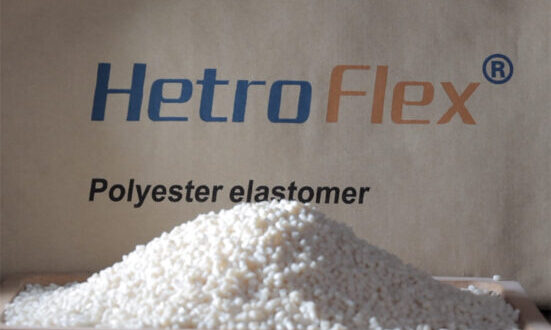
Our TPEE material is engineered for demanding industrial applications while supporting environmentally responsible manufacturing practices.
Hetroflex provides:
- Stable and consistent product quality
- Excellent mechanical performance
- High fatigue resistance
- Superior weatherability
- Outstanding chemical resistance
- Multiple hardness grades
- Custom formulation services
- Global technical support
- Reliable worldwide supply
Whether you are developing automotive parts, cable compounds, industrial components, or consumer products, Hetroflex TPEE helps reduce waste while maintaining exceptional product performance.
Frequently Asked Questions (FAQ)
Can TPEE material be recycled multiple times?
Yes. TPEE can generally be reprocessed several times, although repeated thermal exposure may gradually affect certain mechanical properties. Proper processing conditions help preserve performance.
Is recycled TPEE suitable for automotive applications?
Yes. Many manufacturers successfully incorporate recycled TPEE into automotive components, often by blending it with virgin material based on the application’s performance requirements.
Is TPEE more environmentally friendly than rubber?
In many applications, yes. Because TPEE is thermoplastic and recyclable, it typically generates less manufacturing waste and supports circular production more effectively than conventional vulcanized rubber.
Can injection molding scrap be reused?
Yes. Clean runners, sprues, and production scrap are commonly ground, dried, and reintroduced into manufacturing under controlled conditions.
Does Hetroflex TPEE offer customized grades?
Yes. Hetroflex TPEE provides customized formulations tailored to specific performance requirements, industries, and processing methods for customers worldwide.
Conclusion
As manufacturers continue pursuing sustainability and cost efficiency, recyclable engineering materials are becoming increasingly important. The good news is that TPEE material offers an excellent balance of high performance, durability, and recyclability. Compared with traditional rubber, TPEE enables manufacturers to reduce waste, lower production costs, and support circular manufacturing initiatives without sacrificing product quality.
For businesses seeking reliable, recyclable thermoplastic elastomer solutions, Hetroflex TPEE delivers premium TPEE material backed by technical expertise, customized formulations, and dependable global supply. Whether you’re an OEM, material distributor, or procurement engineer, choosing recyclable TPEE can help build more sustainable and competitive products for the future.
